
Why I Tell Every Woman I Work With: Protein Before Coffee

If there's one small shift I recommend more than almost anything else in my clinic, it's this: eat a protein-rich breakfast before you reach for that first coffee.
I know for so many of us, coffee on an empty stomach feels like a ritual. It's the thing that gets us moving. But if you're dealing with anxiety, stubborn weight, energy crashes, or hormones that feel like they're running the show rather than the other way around, this one habit change can make a genuinely life changing difference. I can not tell you how many times I have heard this from my patients. They changed the order and then the stubborn weight left, the mood improved and the muscle mass increased.
Let's talk about why.

What Actually Happens When We Have Coffee on an Empty Stomach
Here's the physiology behind it. When you wake up, your cortisol is naturally at its highest for the day, this is completely normal and is called the cortisol awakening response. It's your body's built-in alarm clock, helping you feel alert. The problem is what happens when we stack caffeine, fasting, and sometimes even a fasted workout on top of that natural cortisol peak. Caffeine itself stimulates the release of more cortisol and adrenaline. So does exercise. And so does an empty stomach, because your body reads low blood sugar as a small stress signal and releases cortisol to help release stored glucose for energy. Individually, each of these is manageable. But when you combine all three, black coffee, no food, and a fasted gym session, you're asking your adrenal system to do a lot of work before 8am. Over time, this pattern can contribute to the very things so many women come to see me about: anxious, wired-but-tired energy, blood sugar swings, disrupted sleep, and hormone imbalances, since cortisol and our sex hormones (oestrogen and progesterone) share the same production pathway and compete for resources.
How Morning Protein Supports Muscle and Metabolism
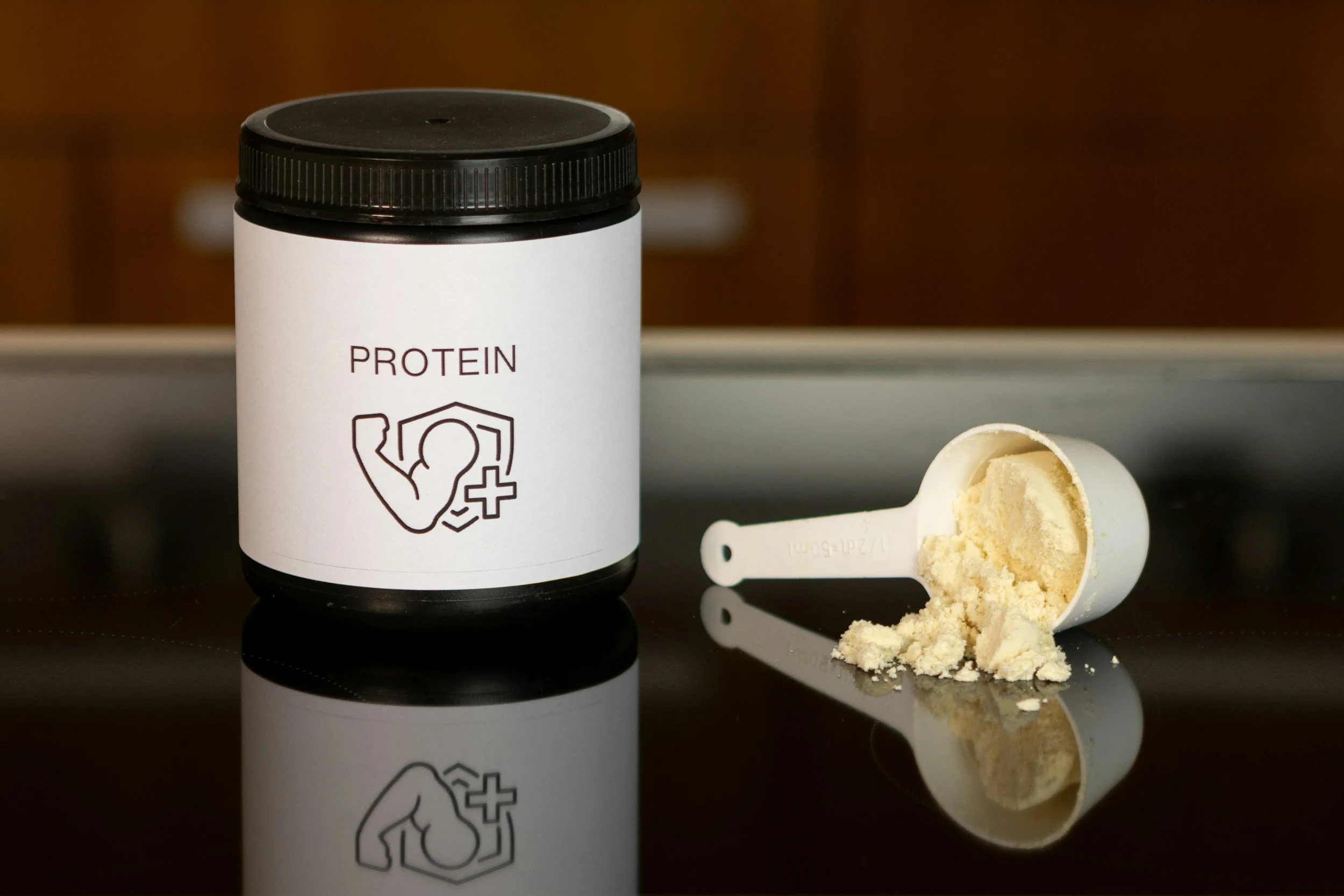
This is where protein comes in, and it's one of my favourite "small change, big impact" tools. Eating protein first thing in the morning switches on a process called muscle protein synthesis — essentially, it signals to your body that it's time to build and maintain lean muscle tissue, using the amino acids from that meal. This matters more than most of us realise, especially as we move through our thirties, forties, and beyond, because muscle mass naturally declines with age (and faster during perimenopause) unless we actively support it. Muscle isn't just about strength — it's metabolically active tissue, meaning more of it helps keep your metabolism efficient and supports how well your body manages blood sugar. A protein-forward breakfast essentially gives your body the raw materials to protect and build muscle right when that signalling is most responsive, rather than skipping the opportunity by having coffee alone or a carb-heavy breakfast.
The Hormone and Weight Connection
Here's where it all comes together. When you eat protein before caffeine (and before carbohydrates), you blunt the glucose spike that would otherwise occur — think of it as flattening the curve rather than letting your blood sugar shoot up and crash down. Steadier glucose means steadier insulin, and steadier insulin means your body isn't lurching between "store fat" and "stress" signals all morning. Because cortisol, insulin, and your sex hormones are all deeply interconnected, calming this whole system down first thing sets a completely different tone for the rest of your day. Many of the women I work with find that this one change supports more stable energy, fewer cravings, better sleep, and over time, a body that finds it easier to settle at a healthy weight — not because protein is "burning fat," but because it's taking so much pressure off the hormonal signaling that governs how and where your body stores energy.
A Simple Place to Start
You don't need a complicated protocol to begin. Try this:
Aim for 20–30g of protein within the first hour of waking
Delay your coffee until after you've eaten
Choose whole-food protein sources where possible — eggs, Greek yoghurt, a protein smoothie, or leftover protein from dinner all work well
Small shift. Big ripple effect.
If you're curious how this fits into the bigger picture of your own hormone health, that's exactly the kind of thing we dig into together in a consultation.

Frequently Asked Questions
FAQ
Do I have to give up coffee completely? Not at all. The goal isn't to remove coffee it's to change the order. Eating protein first means your body isn't relying on caffeine alone to wake up your nervous system while running on empty, and it helps prevent the glucose and cortisol spike that comes with caffeine on an empty stomach.
How much protein do I actually need at breakfast? A helpful general target is 20–30g of protein within the first hour of waking. This is enough to meaningfully support muscle protein synthesis and blood sugar stability without needing to overhaul your whole morning.
What if I work out first thing in the morning? Fasted exercise adds another layer of cortisol release on top of an already-high morning cortisol level. If this is your routine, having a small amount of protein beforehand, even an egg and a few bites of avocado toast can help take some of the edge off that combined stress response.
Is this only relevant for weight loss? No this is really about hormone balance first. Supporting steady blood sugar and cortisol has flow-on effects for energy, mood, anxiety, sleep, and metabolic health. A healthy weight tends to be a natural side effect of a well-regulated system, not the main goal.
I'm not hungry in the mornings, what should I do? This is common, especially if your body has adapted to running on caffeine and low blood sugar for a while. Start small — even a boiled egg or a small protein shake counts, and appetite often improves as your blood sugar rhythm becomes more stable.