
Perimenopause Pre-Conditioning: What to Focus On in Your 30s

If you are in your 30s and perimenopause feels like something for "later", I want to gently challenge that.
The hormonal shifts that define perimenopause can start years before your periods change. In regularly cycling women, the research describes erratically higher estradiol, lower progesterone and disrupted communication between the brain and ovaries beginning in the mid-thirties (1). You might simply feel it as worse PMS, heavier periods, lighter sleep or a shorter fuse, and put it down to being busy. If you are not sure whether what you are feeling is stress or hormones, my post Is it Stress? Or is it Perimenopause? is a good place to start.
This is why I talk about perimenopause pre-conditioning. Think of it like training before an event. You would not turn up to a marathon without preparing, yet most of us walk into perimenopause with no preparation at all, and often with a few things already running on empty.
I always want to be clear: this is not about fear or perfection. It is about giving your body the best possible foundation so that the transition is smoother, and so that you have a say in how it goes. In my practice, five areas matter most: your hormones, your minerals, your bones, your muscle and your gut.
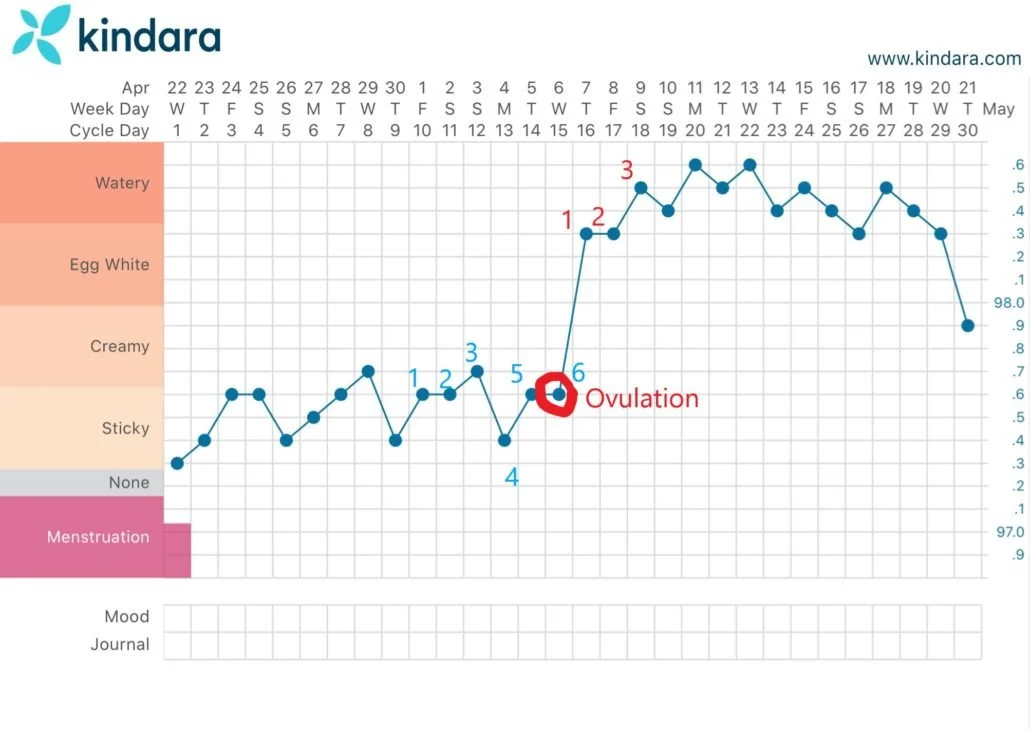
Hormones: get a baseline while your system is still talking clearly
By the time symptoms are loud, I am often working with a hormonal picture that has been shifting for years. A baseline in your 30s lets us see how your body makes, uses and clears hormones before the swings get bigger.
It also helps to know what is actually happening. Perimenopause is often described as a time of falling estrogen, but the research tells a different story. It is characterised by erratically estradiol, sometimes higher, and lower progesterone, and around a third of perimenopausal cycles show a major surge in estradiol during the luteal phase (1). That mix, too much estrogen signal relative to progesterone, is behind a lot of the heavier periods, breast tenderness, anxiety and disrupted sleep women describe.
The DUTCH test (Dried Urine Test for Comprehensive Hormones) is one of my favourite tools here because it shows more than levels. It shows how your estrogen is being metabolised (the 2-OH, 4-OH and 16-OH pathways), your progesterone and androgen metabolites and your daily cortisol rhythm. For cycling women it is timed to a specific point in your cycle, which is one reason working with a practitioner from the very first step makes such a difference. I use it alongside blood tests, your symptoms and your cycle history, never on its own. If you want to understand why, I explain the limitations of blood tests and why the DUTCH test tells us more.
What we do with the results is where the real work happens. Together we can support the pathways your body uses to clear and balance hormones: liver and gut clearance, key nutrient cofactors, stress and cortisol rhythm, and blood sugar. My post on sulforaphane, DIM and estrogen metabolism shows how this can look in practice.
Minerals: replenish what your 20s, pregnancies and breastfeeding used up
Many of us reach our 30s more depleted than we realise. Years of study and work stress, convenient or restrictive eating, and then pregnancy and breastfeeding, which place very high demands on a woman's nutrient stores.
The research backs this up. In the NiPPeR trial, run across the UK, New Zealand and Singapore, more than 90% of 1,729 women aged 18-38 had marginal or low status of at least one of vitamins B2, B9, B12 or D before they even conceived (2). A Slovak study that tracked micronutrients across pregnancy and the postpartum period found that magnesium was lower in pregnant and postpartum women than in non-pregnant women of the same age, and that zinc was significantly lower postpartum, with most of the 24 postpartum women in the study below the lab's lower zinc limit (3). The pattern fits what I see clinically.
Here is a detail I love because it shows why I never stop at "your results are normal". In that same study, the average postpartum magnesium level was lower than the non-pregnant average but still sat inside the lab's reference range (3). Within-range is not the same as optimal. With my lab analysis training, I look at where you sit in the range, and at the whole picture of iron, magnesium, zinc, copper, selenium, calcium and vitamin D together, rather than whether you scrape in.
A few practical points:
• Test, then treat. Ferritin and iron studies, zinc and copper, selenium and vitamin D are a good starting set to discuss with your practitioner or GP.
• Please do not guess with supplements. Iron, calcium and zinc can all cause problems when taken in excess or without a reason, and long-term high-dose zinc can lower copper.
• Food first where we can: protein-rich meals, a variety of colourful plants, nuts and seeds, seafood and bone-in or calcium-rich foods all matter.
Consider hair tissue mineral analysis (HTMA) as a tool. I love using HTMA to build a personalised mineral protocol, because it gives us a window into longer-term mineral patterns and exposure to some toxic metals that a single blood test can miss.
If you would like to read more about how minerals fit into the bigger perimenopause picture, see my post on the subtle hormone changes that can mean the big P is here.
Bone: check your starting point, then keep building
Your bone density in your 30s is the bank balance you carry into perimenopause, and it is much easier to protect than to rebuild.
In the large SWAN cohort, spinal bone density was essentially stable in the years before the menopause transition. Bone loss then began about a year before the final menstrual period, and the rate and total amount of loss were greatest from one year before to two years after it, adding up to roughly 10% across the ten years studied (4). In other words, the bone you take into that window is what you have to work with.
What I suggest in your 30s:
• Get a baseline DEXA scan. Particularly if you have a family history of osteoporosis or fracture, a history of very low body weight or absent periods, long-term corticosteroid use, a malabsorption condition, or a fracture from a minor fall. In premenopausal women, results are usually compared with women of the same age (a Z-score), so having it interpreted properly matters.
• Load your bones. Strength training and, when appropriate, learning to jump safely are the strongest signals your skeleton responds to. I have my own history with bone health, which I share in my post on preventing bone density loss in perimenopause, and it is a big part of why I care about building bone early.
• Cover the nutrients bone is made from: protein, calcium from food, vitamin D, magnesium, vitamin K and trace minerals such as boron, guided by your test results.
Muscle: your glucose sponge in your 40s and beyond
Muscle is not just about strength or how you look. It is your largest site of glucose disposal. Skeletal muscle is the body's main reservoir for clearing glucose after a meal, and it helps protect against metabolic disease (5). The more muscle you have and the better you use it, the more places glucose has to go after you eat, which means gentler glucose and insulin swings. This is exactly the blood sugar sensitivity that so many women notice suddenly changing in perimenopause (my post on perimenopause and blood sugar goes deeper on this).
Here is what the research says about timing. A recent review found that lean mass tends to be lost across the menopause transition, with perimenopausal and postmenopausal women averaging about 2.5% and 5.7% lower lean or muscle mass than premenopausal women. Longitudinal studies suggest the rate of loss is fastest during the transition years themselves (6). I want to be honest that this evidence has limits: most studies measure lean mass rather than pure muscle, and age and lifestyle changes are hard to separate from hormones. But the message that matters is the same. Resistance training remains the most effective way to protect muscle as we age, and the years before and during the transition are a smart time to start (6).
The good news is that it does not have to mean HIIT classes or CrossFit. A systematic review and meta-analysis of randomised controlled trials in women aged 40-60 found that exercise improves muscle mass and strength, and that resistance training three times a week, for 20-90 minutes, for at least six weeks was the most effective pattern, although the effect on lean mass was modest (7).
So here is my simple starting point:
• Buy a pair of dumbbells for home. Around 7kg each is a good place to start for many women, and you will likely need to go heavier over time.
• Train twice a week to begin with, and build towards three sessions if life allows. Twice a week is a wonderful start. The research suggests three gives you more.
• Choose big movements: squats, hip hinges (Romanian deadlifts), rows, overhead presses and glute bridges. Two or three sets of 8-12 repetitions, finishing each set with a couple of reps left in the tank.
• Progress gradually. When the last few reps feel easy, add reps and then weight. Progression is what tells your muscle to adapt.
• Feed the muscle. Aim for protein at every meal, and start meals with vegetables or fibre before starchy foods to soften the glucose rise. My post on protein before coffee gives you an easy way in.
• Keep an eye on your numbers. In my clinic I track fasting glucose and fasting insulin and work to optimal ranges rather than the standard "normal" ones, and a continuous glucose monitor can show you your own unique pattern.
Gut and histamine: why you might suddenly react to things you never did
One of the most common things women tell me in their late 30s and 40s is, "I never used to react to this." Wine causes flushing, headaches show up after certain foods, bloating arrives out of nowhere, or the skin becomes itchy and reactive. Often this is where the gut and histamine come in.
Histamine is a normal chemical made by your immune cells, and it is broken down mainly by an enzyme called diamine oxidase (DAO) in the gut. When histamine builds up faster than the body can clear it, you can see flushing, headaches, hives, digestive upset, a racing heart and more. Alcohol can both release histamine and block DAO, which is why wine is such a common trigger (8). I should be honest that the research community is still working on how best to diagnose histamine intolerance, and further well-designed studies are needed (8).
What has estrogen got to do with it? Lab studies show that physiological concentrations of estradiol can trigger mast cells, the immune cells that store histamine, to release their contents, and can amplify the response to allergens (9). Mast cells carry receptors for both estradiol and progesterone and respond to both (10). Now put that next to what we know about perimenopause: higher, more erratic estrogen against falling progesterone. It makes biological sense that some women find their histamine "bucket" fills more easily during this time. Human data on the exact relationship is still limited, so I think of this as an important clinical pattern to explore rather than a settled rule.
The gut is the other half of the story. The community of gut bacteria that processes estrogen, sometimes called the estrobolome, produces an enzyme (beta-glucuronidase) that reactivates estrogens so they can be recirculated. When the microbiome is less diverse, this process is altered, which can change circulating estrogen (11). Menopause is associated with lower microbiome diversity (12), and reviews describe declining estrogen as something that appears to influence the gut microbiota, although the evidence is still emerging and we need more large human studies (12). There is also growing interest in whether these shifts affect gut barrier function and low-grade inflammation, and whether that helps explain new food reactions. This is a developing area, and I will keep you updated as the research matures.
In your 30s, a gut-friendly pre-conditioning approach might include:
• Noting when new reactions begin and what else is going on (cycle phase, stress, sleep, alcohol).
Supporting bile and Liver Health: This is number 1. Focus on PHGG, Bitters (Arugula, Dandelion, lemon, Greens), Beetroot, inulin, Acacia, and Choline. Start your day with water bitters and insoluble fibre.
• Cutting back on alcohol, which hits histamine from two directions.
• Eating a wide variety of plants and fibre to feed a diverse microbiome, building up gradually if you are sensitive.
• Keeping blood sugar steady, since big swings and chronic stress both feed inflammation.
• Avoiding extreme restrictive diets. A very low-histamine diet can be useful short term, but long-term restriction can narrow your food variety and your microbiome.
• Considering advanced gut testing if symptoms persist, so we can work from your data rather than guessing.
Your perimenopause pre-conditioning checklist
• A baseline hormone picture: a timed DUTCH test alongside bloods, symptoms and cycle history, interpreted with a practitioner.
• Mineral and nutrient status tested and interpreted to optimal ranges, with supplements only where they are needed.
• A baseline DEXA scan if you have risk factors/or just in case, plus regular loading of your bones.
• Strength training twice a week (building to three) with protein at every meal.
• Fasting glucose and fasting insulin checked and tracked over time.
• A gut and histamine plan if you are noticing new reactions, bloating or bowel changes.
The earlier we begin, the more options you have, and the more gentle the work needs to be. If you would like a plan built around your own results, history and goals, I would love to help. Book a clarity call here.
This article is for general education and is not a substitute for medical advice. Please speak with your GP or a qualified practitioner before starting supplements, herbs or hormone support, especially if you are pregnant or breastfeeding, take medications, or have a hormone-sensitive condition.

Frequently Asked Questions
At what age does perimenopause start?
The hormonal changes of perimenopause can begin in the mid-thirties in some women who are still having regular periods, with erratically higher estradiol and lower progesterone (1). Most women notice cycle changes later, often in their 40s, but the groundwork is worth laying much earlier.
Can I do a DUTCH test if my periods are still regular?
Yes. For cycling women, the test is timed to a specific point in the cycle so results can be interpreted properly. A baseline in your 30s can show how you metabolise estrogen, how much progesterone you are producing, Androgen status and how your cortisol rhythm looks, before symptoms escalate. It is best interpreted by a practitioner alongside your symptoms and blood tests.
Should I get a bone density scan in my 30s?
Not every woman needs one, but it is worth it so you can start tracking your own decline and make sure its reducing at a normal rate for you. In premenopausal women, results are normally compared with women of your own age, so the interpretation matters.
How much strength training do I need, and are 7kg dumbbells enough?
Twice a week is a great place to start, and research in women aged 40-60 suggests three sessions a week gives the best results for building muscle (8). You will know your own sensible starting weight, but the key is progressive overload: as it gets easier, add repetitions and then weight.
Why am I suddenly reacting to alcohol and foods I used to tolerate?
Shifting estrogen and progesterone levels, gut changes and a reduced capacity to break down histamine may all play a part. Estradiol can trigger mast cells to release histamine (10), and alcohol can both release histamine and block DAO, the enzyme that clears it (9). A practitioner can help you work out your triggers rather than cutting out foods unnecessarily.
This article is for educational purposes and is not a substitute for individual medical advice.
References
Prior JC, Hitchcock CL. The endocrinology of perimenopause: need for a paradigm shift. Front Biosci (Schol Ed). 2011;3(2):474-486. https://pubmed.ncbi.nlm.nih.gov/?term=Prior+Hitchcock+endocrinology+of+perimenopause+paradigm+shift
Godfrey KM, Titcombe P, El-Heis S, et al. Maternal B-vitamin and vitamin D status before, during, and after pregnancy and the influence of supplementation preconception and during pregnancy: prespecified secondary analysis of the NiPPeR double-blind randomized controlled trial. PLoS Med. 2023;20(12):e1004260. PMID: 38051700. https://pubmed.ncbi.nlm.nih.gov/38051700/
Kristufkova A, Basheer N, Koprdova K, Lieskovsky M, Fresser M, Zilka N. Micronutrient dynamics and deficiency risk across pregnancy and postpartum in a Slovak cohort. PLoS One. 2025;20(9):e0331125. PMID: 40906792. https://pubmed.ncbi.nlm.nih.gov/40906792/
Greendale GA, Sowers M, Han W, et al. Bone mineral density loss in relation to the final menstrual period in a multiethnic cohort: results from the Study of Women's Health Across the Nation (SWAN). J Bone Miner Res. 2012;27(1):111-118. PMID: 21976317. https://pubmed.ncbi.nlm.nih.gov/21976317/
Menzies C, Bowtell R, Shur N, Brook MS. Menopause, female sex hormones, skeletal muscle mass and muscle protein turnover in humans. J Cachexia Sarcopenia Muscle. 2026;17(1):e70232. PMID: 41707658. https://pubmed.ncbi.nlm.nih.gov/41707658/
Tan TW, Tan HL, Hsu MF, Huang HL, Chung YC. Effect of non-pharmacological interventions on the prevention of sarcopenia in menopausal women: a systematic review and meta-analysis of randomized controlled trials. BMC Womens Health. 2023;23(1):606. PMID: 37964288. https://pubmed.ncbi.nlm.nih.gov/37964288/
Maintz L, Novak N. Histamine and histamine intolerance. Am J Clin Nutr. 2007;85(5):1185-1196. PMID: 17490952. https://pubmed.ncbi.nlm.nih.gov/17490952/
Zaitsu M, Narita S, Lambert KC, et al. Estradiol activates mast cells via a non-genomic estrogen receptor-alpha and calcium influx. Mol Immunol. 2007;44(8):1977-1985. PMID: 17084457. https://pubmed.ncbi.nlm.nih.gov/17084457/
Zierau O, Zenclussen AC, Jensen F. Role of female sex hormones, estradiol and progesterone, in mast cell behavior. Front Immunol. 2012;3:169. PMID: 22723800. https://pubmed.ncbi.nlm.nih.gov/22723800/
Baker JM, Al-Nakkash L, Herbst-Kralovetz MM. Estrogen-gut microbiome axis: physiological and clinical implications. Maturitas. 2017;103:45-53. PMID: 28778332. https://pubmed.ncbi.nlm.nih.gov/28778332/
Peters BA, Santoro N, Kaplan RC, Qi Q. Spotlight on the gut microbiome in menopause: current insights. Int J Womens Health. 2022;14:1059-1072. https://pubmed.ncbi.nlm.nih.gov/?term=Peters+Santoro+Kaplan+Qi+Spotlight+on+the+gut+microbiome+in+menopause
Liaquat et al. The gut microbiota in menopause: is there a role for prebiotic and probiotic solutions? Post Reprod Health. 2025. https://doi.org/10.1177/20533691251340491