
Testing for Perimenopause: Is there anyway to know?
If you’re in your late 30s or 40s and starting to notice subtle changes in your cycle, you’re not imagining it. Perimenopause often begins quietly, and one of the earliest hormonal shifts is a gradual decline in progesterone.
This change can occur well before periods become irregular, and it often shows up through two ways. One ovulation patterns can change meaning you have more anovulatory cycles where no egg is produced and two your cycle length starts to vary, and shorten as your luteal phase shortens.
Understanding how progesterone shifts in perimenopause, and how to track it in real time, can give you a much clearer picture of what your body is doing from cycle to cycle.
What happens to progesterone in perimenopause?
Progesterone is produced after ovulation, during the luteal phase of your cycle. It plays an important role in supporting mood, sleep, nervous system regulation, and balancing the effects of oestrogen.
In perimenopause, two key changes tend to occur:
Anovulatory cycles become more common
This means ovulation does not occur, and as a result, progesterone is not produced in that cycle.
The luteal phase becomes shorter
Even when ovulation does occur, progesterone may not rise to its full potential or be sustained for long enough.
Ideally, progesterone should remain elevated for around 10 days after ovulation. This creates a stable and well-supported luteal phase. In perimenopause, this window often shortens, meaning the body doesn’t receive the full progesterone effect.

Why progesterone decline matters
Lower or fluctuating progesterone can contribute to:
Shorter or changing cycle length
Spotting before your period
Poor sleep or disrupted sleep cycles
Increased anxiety or mood changes
Heavier or more irregular bleeding
These are often some of the earliest signs of perimenopause, even when cycles still appear relatively regular.
Why blood tests don’t always give the full picture
Serum progesterone testing can be useful, however it has limitations.
Progesterone is released in pulses and can fluctuate significantly within minutes, influenced by luteinising hormone (LH) surges. This means a single blood test may not accurately reflect your overall progesterone pattern across the cycle.
It provides a snapshot, but not the full story.
For many women in perimenopause, where hormones are already more variable, this can be particularly limiting.
How basal body temperature tracking reflects progesterone
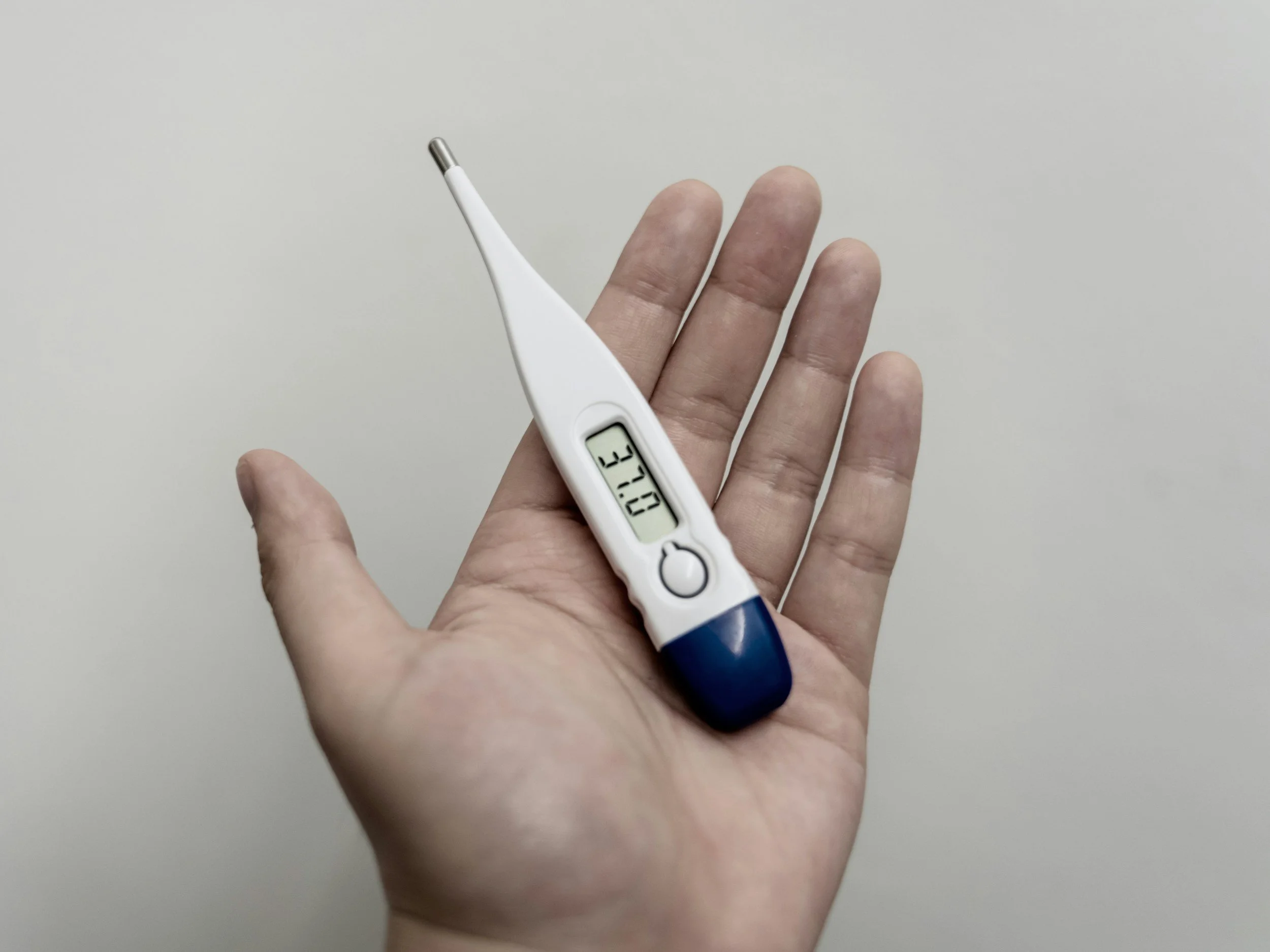
Basal body temperature (BBT) tracking is one of the most effective ways to observe progesterone patterns in real time.
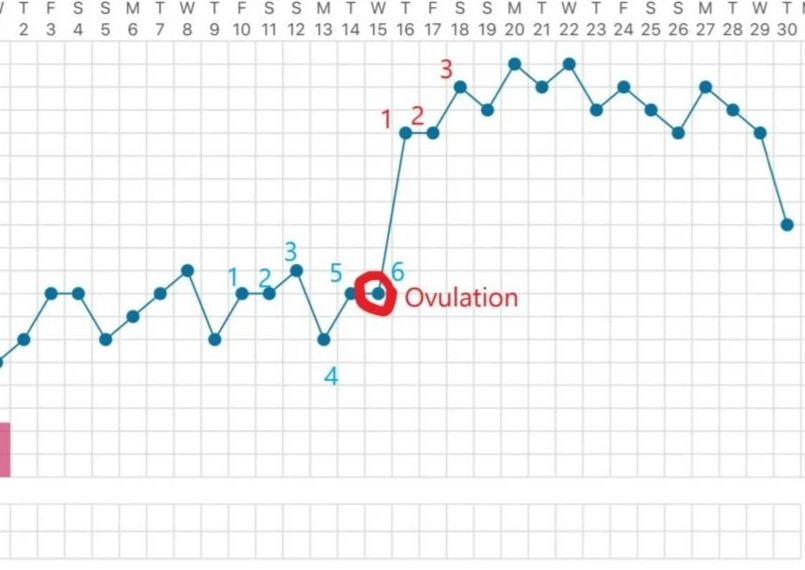
After ovulation, progesterone causes a measurable increase in resting body temperature. By tracking your temperature daily, you can identify:
If ovulation has occurred
When ovulation occurred
The length of your luteal phase
Whether progesterone is being sustained
This gives a much more continuous and nuanced view of your hormonal patterns compared to a single blood test.
What a healthy progesterone pattern looks like
After ovulation, you should see a clear and sustained rise in temperature.
This increase should remain elevated for approximately 10 days. This reflects a robust progesterone response and a well-supported luteal phase.
What you may notice in perimenopause
As progesterone begins to decline, your BBT chart may start to show:
No clear temperature shift, suggesting anovulatory cycles
A shorter duration of elevated temperatures
More variable or unstable temperature patterns
These changes can vary from cycle to cycle, which is why tracking over time is so valuable.
Basal body temperature as a real-time insight into perimenopause
Perimenopause is not a linear transition. Hormones can fluctuate significantly from one cycle to the next.
BBT charting offers a way to observe these shifts as they happen. It allows you to see patterns emerging over time, rather than relying on a single data point. This can be so helpful in perimenopause to understand the transition as the luteal phase changes and your experience of your cycle does too.
This can be particularly helpful when guiding personalised support, whether that is through nutrition, lifestyle, herbal medicine, bioidentical hormones or HRT, or targeted treatment approaches.
An important note on hormonal contraception
If you are using hormonal birth control, basal body temperature tracking will not reflect your natural hormonal patterns and will not give you accurate information about progesterone.
My recommended tracking app
I love tempdrop and recommend it to all my clients. Long gone are the days where we chart by hand. Tempdrop comes with a wearable BBT arm band that takes multiple temperatures as you sleep and then averages them to give you a more reliable reading. The app is easy to use on your phone and the temperature uploads when you turn on the bluetooth to your arm device in the morning. So easy!
You can find Tempdrop here.
Other testing
I recommend endomap for all my hormone concerned clients where we really need to know what to prioritise and what to target with our treatment. Please read more about it here. This test alongside BBT can really help us create a strong effective plan that is individualized and targeted.

Progesterone decline is one of the earliest and most significant signs of perimenopause. It often presents as anovulatory cycles or a shortened luteal phase, even before obvious cycle irregularity begins.
While blood testing can provide useful information about sufficiency, basal body temperature tracking offers a more detailed and continuous insight into these hormonal changes.
By understanding your temperature patterns, you can begin to recognize the subtle shifts of perimenopause and better support your body through this transition.
Not sure what’s happening with your hormones? Don’t feel like you need to figure it out alone. Let’s talk to see how I can best support your health concerns. Please book in a clarity call to chat about the best first steps.

FAQs: Progesterone, perimenopause, and basal body temperature
What are the first signs of low progesterone in perimenopause?
Early signs of low progesterone in perimenopause can include shorter cycles, spotting before your period, sleep disturbances, anxiety, and heavier or irregular bleeding. These changes often occur before periods become noticeably irregular.
How can I tell if I am not ovulating in perimenopause?
One of the most reliable ways to identify ovulation at home is through basal body temperature tracking. If there is no clear temperature rise after ovulation, this may indicate an anovulatory cycle, which becomes more common in perimenopause.
How long should progesterone stay elevated after ovulation?
In a healthy cycle, progesterone should remain elevated for approximately 10 days after ovulation. A shorter luteal phase may indicate insufficient progesterone production. Its important to remember this is not always due to perimenopause. There are many other reasons for low progesterone so working with a healthy professional can help you distinguish the differences.
Is basal body temperature accurate for tracking ovulation?
Basal body temperature is a useful and accessible tool for confirming ovulation after it has occurred. It reflects the thermogenic effect of progesterone and can provide insight into cycle patterns over time, particularly in perimenopause.
Is blood testing or BBT better for progesterone?
Both have value, however basal body temperature tracking provides a more continuous view of hormonal patterns across the cycle. Blood testing offers a single snapshot, which may not capture fluctuations in progesterone levels.
Can you track perimenopause with basal body temperature?
Basal body temperature can help identify changes in ovulation patterns and luteal phase length, both of which are affected in perimenopause. While it does not diagnose perimenopause on its own, it provides valuable real-time insight into hormonal shifts. This can help empower you with knowledge for your next steps.
Why doesn’t BBT work on birth control?
Some types of hormonal birth control can suppresses ovulation and overrides natural hormone production. Without ovulation, progesterone is not produced in the same way, so there is no consistent temperature shift to track.