
The plastic problem: How can you know the extent of your chemical exposure?

The Microplastic Problem: Hidden Chemical Exposure in Everyday Life
We are increasingly exposed to environmental toxins in ways that are easy to overlook. From non-stick cookware and plastic food storage to cleaning products, receipts and synthetic fragrances, modern living brings daily contact with chemicals such as PFAS, phthalates, BPA, and other endocrine-disrupting compounds.
Some of these substances are often referred to as “forever chemicals” due to their persistence in the body and environment. While a single exposure may seem insignificant, the cumulative effect over time can contribute to symptoms such as fatigue, hormone imbalances, brain fog, infertility, weight gain and inflammation.
How to Reduce Your Toxic Load at Home
The most effective approach is to reduce exposure where you can, in a practical and sustainable way:
Swap Teflon and non-stick cookware for stainless steel or cast iron
Use glass or stainless steel instead of plastic for food storage and drinking bottles
Filter your water to reduce contaminants and chemical residues
Choose low-tox/natural or fragrance-free household cleaning products
Avoid artificial room scents and air fresheners (one of the most significant sources of indoor chemical exposure).
Do not handle receipts, which are often coated in BPA and other chemicals. Opt to have them emailed instead.
These small shifts can significantly reduce your overall toxic load over time and support your body’s natural detoxification pathways.
Testing for Environmental Toxins: When to Look Deeper
For many people, reducing exposure is only part of the picture. If you are experiencing ongoing or unexplained symptoms, it may be helpful to assess your internal toxic burden.
Common signs that may warrant testing include:
Persistent fatigue or energy crashes
Brain fog or poor concentration
Hormonal imbalances
Chronic inflammation
Detoxification concerns or sluggish liver function
Suspected mold or chemical exposure
The ALL-TOX Test
The ALL-TOX Profile through Nutripath is a comprehensive urinary test designed to evaluate total toxicant burden across multiple exposure categories.
This assessment includes:
Environmental pollutants
Heavy metals
Minerals
Mycotoxins (mould-related toxins)
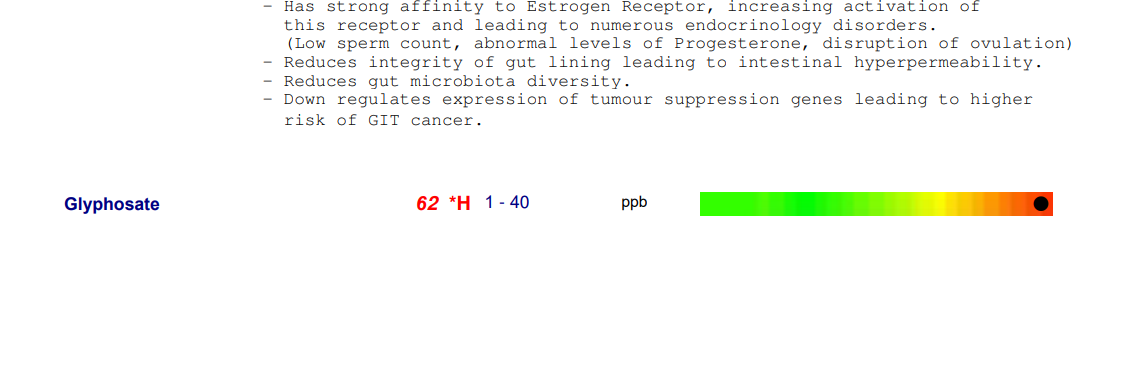
Pesticides and herbicides (Glyphosate)
Phthalates and other plastic-related chemicals
Results are presented with a Toxic Burden Index and Healthy Index, helping to identify patterns of exposure and prioritise areas for support. The report also includes clinical interpretation to guide next steps.
How to do An environmental Toxin Test
Its as easy as contacting me so I can send you the link to order the test. Once the results come in we can organise a call to go over these. This type of testing can provide valuable insight into unexplained fatigue or energy concerns, low testosterone, unexplained infertility, hormone concerns, and thyroid concerns.
In clinical practice, I use functional pathology testing like the ALL-TOX Profile to help identify hidden contributors to symptoms and create a personalised plan to:
Reduce ongoing exposures
Support detoxification pathways
Restore energy and resilience
If you’re feeling stuck with ongoing symptoms or suspect environmental factors may be playing a role, this is something we can explore together. Please book in a clarity call to chat about the best first steps.

FAQs: Environment Chemical Exposures
Frequently Asked Questions: Environmental Toxins, Hormones & Fertility
Can environmental toxins affect hormones?
Yes, many environmental chemicals such as BPA, phthalates, and PFAS are known as endocrine disruptors. This means they can interfere with hormone signalling in the body, potentially impacting oestrogen, progesterone, thyroid hormones, and cortisol balance. Over time, this disruption may contribute to symptoms such as irregular cycles, PMS, fatigue, and metabolic changes.
How do chemicals like BPA and phthalates impact fertility?
Exposure to BPA and phthalates has been associated with changes in egg quality, ovulation, and hormone regulation. In both men and women, these chemicals may also affect reproductive function by altering hormone levels and increasing oxidative stress. Reducing exposure can be an important step when supporting fertility.
Can environmental toxins affect thyroid function?
Yes, certain environmental toxins can interfere with thyroid hormone production, conversion, and receptor sensitivity. Chemicals such as PFAS and heavy metals may disrupt normal thyroid signalling, which can contribute to symptoms like fatigue, weight changes, hair loss, and low mood.
What are common signs of high toxic load in the body?
Symptoms can vary, but commonly include:
Fatigue or low energy
Brain fog or poor concentration
Hormonal imbalances
Skin issues
Increased sensitivity to smells or chemicals
Digestive issues or bloating
These symptoms are non-specific, which is why testing can be helpful in some cases.
Can environmental toxins contribute to low iron or ferritin?
Indirectly, yes. Environmental toxins can impact gut health, inflammation, and liver function, all of which play a role in nutrient absorption and regulation. While they are not usually the primary cause of low ferritin, they may contribute to underlying imbalances that make it harder to restore optimal levels.
How can I reduce my exposure to environmental toxins at home?
Start with simple, sustainable changes:
Avoid heating food in plastic
Choose glass or stainless steel where possible
Filter your drinking water
Reduce use of synthetic fragrances and air fresheners
Switch to low-tox cleaning and personal care products
Consistency over time is more important than perfection.
Should I get tested for environmental toxins?
Testing may be helpful if you have ongoing, unexplained symptoms or known exposure (e.g. mould, occupational exposure, or chemical sensitivity). Comprehensive testing like the ALL-TOX Profile can provide insight into your overall toxic burden and help guide a personalised treatment approach.
Where can I get environmental toxin testing in New Zealand?
Functional testing for environmental toxins is available through qualified practitioners. If you’re based in New Zealand and looking for support with testing and interpretation, this is something we can explore together in clinic.