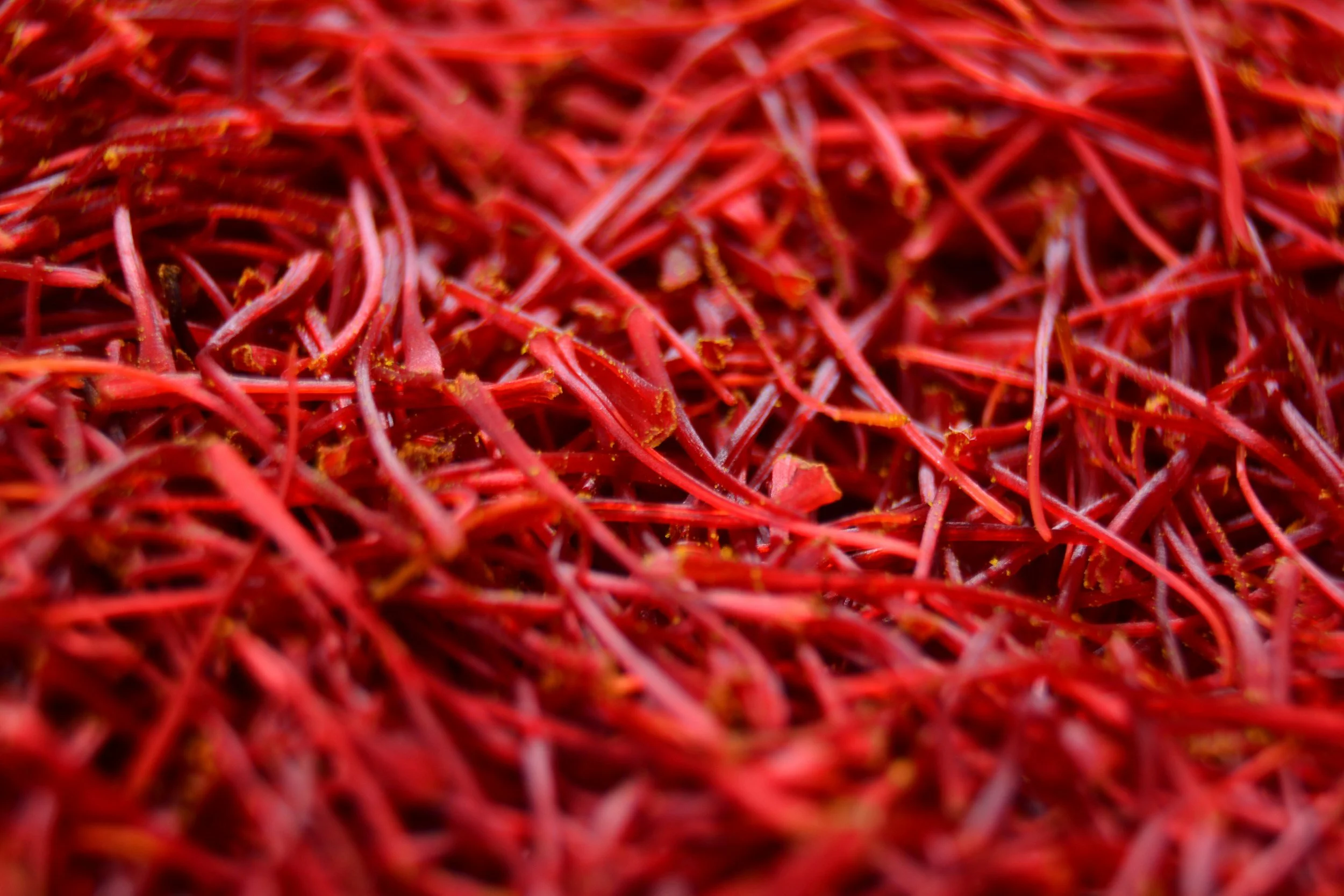
Can saffron help PMDD symptoms as effectively as an SSRI? A closer look at the clinical research, dosage, and safety of saffron for PMDD relief.
Read More
Can saffron help PMDD symptoms as effectively as an SSRI? A closer look at the clinical research, dosage, and safety of saffron for PMDD relief.
Read MoreIn recent years, there has been a growing awareness of microplastics and their presence in our environment. What is becoming increasingly clear is that these tiny plastic particles are not just in our oceans, they are in our homes, our food, our water, and ultimately, our bodies.
As a naturopath, I often get asked whether we can “detox” microplastics. The answer is not as straightforward as we might hope. While there is currently no known method to directly remove microplastics from the body, there is still a lot we can do to reduce exposure and support the body’s natural detoxification processes. Read on to find out how you can make your home microplastic free.
Read MoreWe often think about chemical exposure as something that comes from obvious sources plastics, food packaging, or environmental pollution. But sometimes, it’s the small, everyday interactions that quietly add up.
One of the most overlooked sources? The simple act of handling a receipt.
Read MoreWe are increasingly exposed to environmental toxins, we have known this for a while. The results of decades of this exposure are now coming to light with rising rates of infertility and disease. We can reduce our exposure but its hard to know if we really have made an impact, this is where environmental chemical testing comes in. Not only can we test, we can also do a detoxification plan to optimise our metabolism to be able to deal with this increasing chemical load.
Read MoreIs there a way to tell if we have reached perimenopause? Although blood tests are not very reliable this other method of testing has surprisingly strong accuracy and is something you can do in the comfort of your own home.
Read MoreWondering if your symptoms are stress or perimenopause? Learn the signs of early perimenopause including worsening PMS, poor sleep, irregular cycles, and hormonal changes and some of my go too Naturopathic tools for this confusing time.
Read MoreDiscover the early signs of perimenopause and how liver support, minerals, and adaptogens can improve symptoms and wellbeing.
Read MoreStruggling with weight gain during menopause despite fasting? Learn how prolonged fasting can affect women’s hormones, cortisol, and metabolism and what to do instead.
Read MoreMenopause support doesn’t have to be HRT or natural medicine. Learn how both approaches can work together—and how to choose what’s right for you.
Read MoreStruggling with energy, sugar cravings, or muscle loss over the holidays? Learn how adding this one focus to every meal supports blood sugar balance, muscle mass, and sustained energy.
Read MoreFor many men, your 30s feel like the start of a new chapter. You may be more settled in your career and relationships, but health-wise, it can also be a time when cracks begin to show. Fatigue that doesn’t shift, stubborn weight gain, slower recovery after workouts, and changes in libido or mood are all common. Read on to see how addressing underlying mitochondrial and metabolic changes can improve your health.
Read MorePremenstrual Dysphoric Disorder (PMDD) is a severe and often debilitating condition affecting around 5-8% of women of reproductive age. Although initially thought to be a disorder of hormonal imbalance, recent research is supporting the notion that it is more so a sensitivity to hormonal fluctuations. While the exact cause of PMDD remains elusive, emerging scientific research has shed light on potential drivers, offering hope for more targeted treatment approaches.
Read MoreIf you are one of the many women who experience the intense emotional and physical symptoms of Premenstrual Dysphoric Disorder (PMDD), you know how disruptive it can be. PMDD is more than just “bad PMS” — it affects your whole being, both mind and body, in the days leading up to your menstrual cycle. But as overwhelming as it may feel, there is hope. Nature offers us many tools to restore balance, and one of the most accessible and effective is calcium.
Subclinical hypothyroidism can create disturbances in many areas of a women’s health. This condition, marked by elevated TSH levels, subclinical low T4 and often normal T3, often goes unnoticed . There is one silver lining, it is often transient and reversible in nature when the underlying causes are addressed. Recent studies offer promising natural interventions, specifically with selenium and myoinositol.
Are you feeling hormonally imbalance but your lab tests are telling you you're in range? You're not alone. The DUTCH test combines the latest in hormonal research with cutting edge technology to bring human beings comprehensive and accurate information about their hormones. People of any gender and sex can do the DUTCH test.
At some point menstruating human beings will experience cyclical symptoms associated with hormonal mood disorders. Often discussed as Premenstrual syndrome (PMS) its big sister premenstrual dysphoric disorder (PMDD) is often missed, and underdiagnosed. PMDD affects 3-8% of menstruating women (2). It is more severe and disabling than PMS. Let's take a look at what PMDD is and my go to natural treatments.
Taurine is largely known as that ingredient that is in energy drinks and largely flies under the radar of other nutrients when it comes to supplementation. But could this amino acid be one of the most important nutrients to support energy, slowing down ageing, exercise performance and reduce the effects of stress? Click to read more.
Read MoreIron deficiency is the most common deficiency for women worldwide (1). Iron deficiency affects 33% of non pregnant women, 40% of pregnant women and 42% of children around the globe (1). Despite global efforts to educate women and eradicate this health issue it is still prevalent (1). So what do you do if you think you have low iron? Read on to learn how you can check your iron stores and your options to increase them if they are low.
Read MoreAlmost three years on from the first New Zealand coronavirus cases and across the country there is a subset of patients that sustain an acute SARS CoV-2 infection (1). They develop a wide range of persistent symptoms that do not resolve over many months. This condition has been labelled Long COVID or Post-acute Sequelae of COVID-19 (PASC) (1).
Long COVID has been estimated to affect 30% to 45% of populations around the world (2, 3). Due to the majority of the NZ population contracting the virus later than the rest of the world the percentage of the population affected by Long COVID is still emerging.
Many of us have learned to “trust our gut.” But if we ask most people what our digestive tract is for, they’ll probably explain it as a way of absorbing nutrients and disposing of waste. So where do phrases such as “trusting our gut” or “unable to stomach the results” come from? It turns out there is a two-way street between our digestive organs and our brains. What we eat and the state of our digestive tract can have a profound impact on our moods and behaviors. And probably unsurprisingly at this point, our gut microbiome is also involved.
Read More