
Lactoferrin for Iron Deficiency: What the Research Says

Iron deficiency, tablets and the gut: why so many people get stuck
If you have been told your iron is low, you may already know the frustration. You start the iron tablets and get constipation, nausea or a gut that feels worse than before. Or you push through the side effects for weeks and your ferritin barely moves.
In my clinic I always want to be clear that iron deficiency anaemia (iron deficiency anemia in US spelling) is a signal with a cause, not just a number to push up. One nutrient that comes up often in these conversations is lactoferrin, a protein that may help the body absorb, move and store iron with less gut upset. Here is what I think is worth knowing.
Why iron deficiency is rarely just about iron
Fatigue, headache and paleness are the most common signs of iron deficiency, and the World Health Organization estimates that about half of all anaemia worldwide is caused by it [1]. In clinic I look at the whole picture: heavy or long periods, pregnancy and the postpartum period, low stomach acid, gut inflammation or malabsorption, H. pylori infection, restrictive eating and chronic inflammation.
That last one matters more than most people realise. When inflammation is high, the body raises a hormone called hepcidin, which locks iron away inside cells and blocks absorption from the gut. This is called anaemia of inflammation, and it classically shows low haemoglobin with normal or even raised ferritin [5][6]. It is one reason I read ferritin, haemoglobin, transferrin saturation and inflammatory markers together, and against optimal ranges rather than only the standard reference range.
Lactoferrin: the iron-handling protein your body already makes
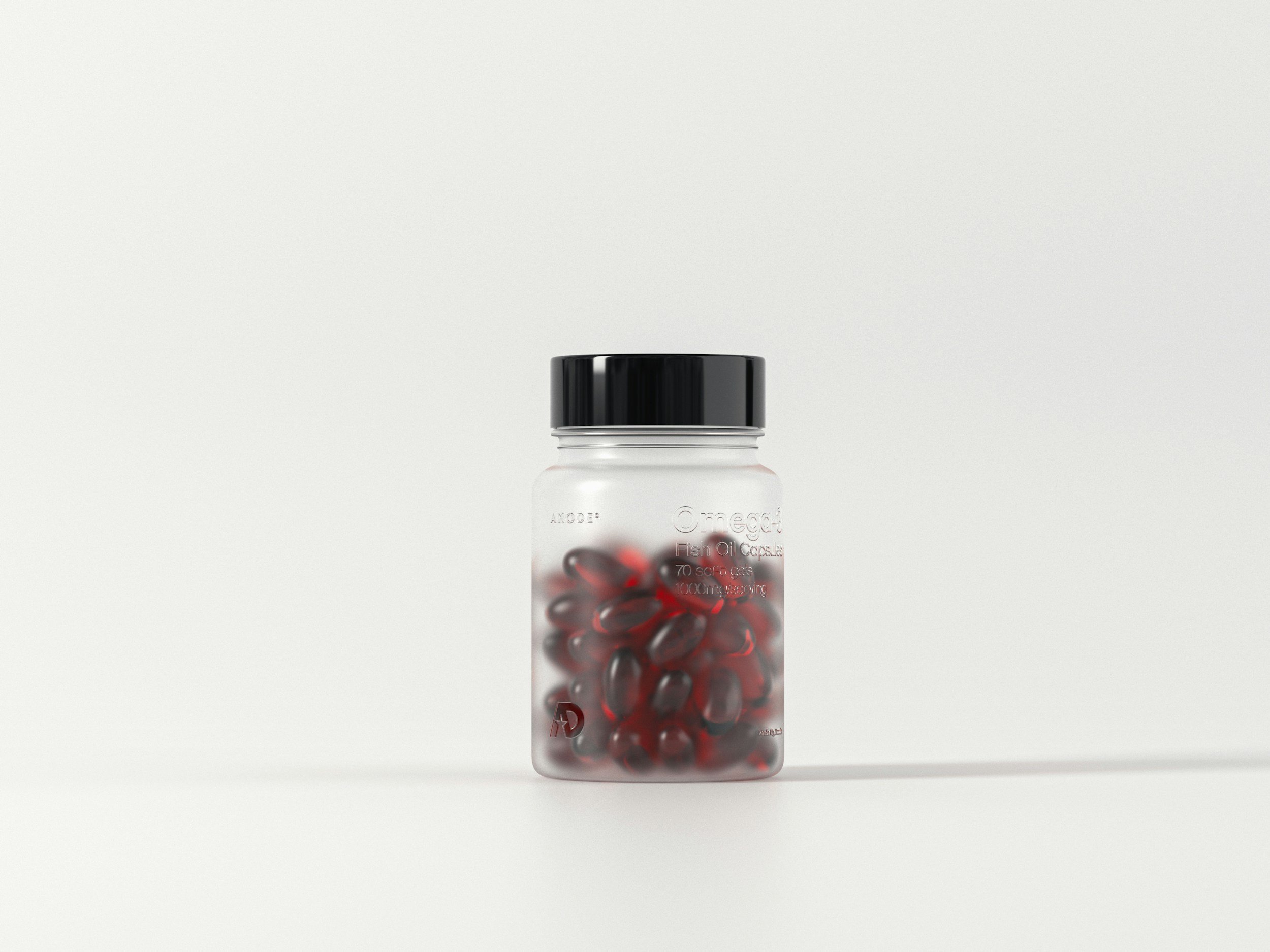
Lactoferrin is an iron-binding glycoprotein found in milk, saliva, tears and the lining of the gut. Supplements are usually made from bovine (cow's milk) lactoferrin, which is only partly saturated with iron, commonly around 10 to 20 per cent [1]. It is not simply another iron source. The research suggests it helps regulate how iron is absorbed, stored and moved around the body.
The key mechanism is inflammatory. Lactoferrin has been shown to lower interleukin-6 (IL-6), the inflammatory messenger that drives hepcidin. With less hepcidin, iron can be released from gut cells and storage sites into the bloodstream again [5][6].
The clinical data is encouraging:
• A 2024 systematic review and meta-analysis of randomised trials found oral bovine lactoferrin raised haemoglobin significantly more than ferrous sulfate [2].
• In pregnancy, a 2017 meta-analysis found haemoglobin at four weeks favoured lactoferrin (pooled mean difference 0.77 g/dL), with significantly fewer gastrointestinal side effects [3].
• In a trial of 200 pregnant women with iron deficiency anaemia, haemoglobin rose by 2.26 g/dL with lactoferrin 250 mg daily versus 1.11 g/dL with ferrous sulphate over eight weeks, and more women on iron asked to change their treatment [4].
These trials suggest that lactoferrin is a promising option, not a guaranteed replacement for iron, and the response needs to be tested with repeat bloods rather than assumed.
Lactoferrin, inflammation and gut issues
Where I find lactoferrin most interesting is when inflammation or gut problems are part of the picture.
Anaemia of inflammation: in anaemic pregnant and non-pregnant women with minor beta-thalassaemia, lactoferrin lowered IL-6 from 25 to 6 pg/ml and raised total serum iron from 54 to 80 mcg/dL, which was not the pattern seen with ferrous sulfate [5].
Inflammatory bowel disease: in a randomised trial of children with IBD and iron deficiency anaemia, lactoferrin 100 mg a day for three months raised haemoglobin, serum iron, transferrin saturation and ferritin more than ferrous sulfate, lowered IL-6 and hepcidin, and caused fewer side effects [7]. This was in children, so I would not assume the same result in adults, and anaemia in IBD needs medical monitoring.
H. pylori: this stomach bacterium is one of the gut-related contributors to low iron that I like to rule out. In a randomised trial of 400 people, adding bovine lactoferrin to standard eradication therapy lifted success rates (sequential therapy 94.5% with lactoferrin versus 82.8% without; triple therapy 85.6% versus 70.3%) [8]. It was an add-on to standard treatment, not an alternative.
Gut tolerability: oral iron salts are well known for frequent gastrointestinal side effects, which is a major reason people stop taking them [1]. For a sensitive or inflamed gut, the better tolerability seen with lactoferrin in trials is a real advantage [3].
Who should be careful with lactoferrin
Bovine lactoferrin is milk-derived, and it is not right for everyone:
• Cow's milk protein allergy: avoid unless cleared by your doctor.
• Pregnancy: trials have used it, but please make the decision with your midwife or doctor.
• Iron overload conditions such as haemochromatosis, or high iron saturation: get medical advice first.
• Unexplained anaemia, heavy bleeding, black stools or unintentional weight loss: see your doctor to find the cause. Supplements are not a substitute for a proper work-up.
Supporting iron status with food and steadier blood sugar
Supplements work best on a solid foundation. I like building iron-rich meals around protein and non-starchy vegetables first, with a vitamin C source such as capsicum, kiwifruit or citrus alongside. Starting a meal with the veg and protein tends to flatten the glucose curve, and a savoury breakfast instead of a sugary one helps avoid the energy crashes that are easy to mistake for iron fatigue. Tea and coffee are best kept away from iron-rich meals, because polyphenols and phytates can reduce iron absorption [14].
Next steps
If you are battling low iron, ongoing fatigue or hair shedding, the most useful first step is to understand your own results: ferritin, haemoglobin, transferrin saturation and inflammation, read against optimal ranges and your symptoms. From there we can look at the cause, whether lactoferrin, iron or other support makes sense, and how to retest. Book a clarity call in with me here.

Frequently asked questions
Can lactoferrin replace iron tablets?
For some people it may, but it is not a guaranteed swap. Several randomised trials and meta-analyses found lactoferrin raised haemoglobin as well as or better than ferrous sulfate, with fewer gut side effects [2][3]. However, trials are mostly short and small, and there was no significant difference in mild anaemia in one meta-analysis [3]. Whether to swap, combine or stay on iron is best decided with your practitioner using repeat blood tests.
How long does lactoferrin take to work?
In the pregnancy trials, haemoglobin was assessed at four to eight weeks [3][4], and the IBD trial ran for three months [7]. Iron stores generally take longer to rebuild than haemoglobin, so I recheck bloods rather than guess.
Can I take lactoferrin with iron?
Some trials have tested the two together. A trial included in the 2024 meta-analysis reported that lactoferrin plus iron raised haemoglobin more than iron alone [2]. Doses and timing matter, so this is worth personalising rather than self-prescribing.
Does lactoferrin help rebuild iron stores (ferritin)?
It may. In trials in pregnancy and in children with IBD, ferritin rose as well as haemoglobin, and in some trials more than with ferrous sulfate [7][10]. The evidence for iron stores specifically is limited, and ferritin is also raised by inflammation, so I read it alongside CRP and transferrin saturation and retest rather than assume.
Can lactoferrin help with anaemia of inflammation?
Early research suggests it may. In a small study of anaemic women with beta-thalassaemia minor, lactoferrin lowered IL-6, an inflammatory messenger that drives hepcidin, while ferrous sulfate did not show the same effect [5]. The evidence is still developing, so work with your doctor, especially if you have a diagnosed inflammatory or bowel condition.
Is lactoferrin safe, and who should avoid it?
Lactoferrin has been used in clinical trials, including in pregnancy, with fewer gut side effects than iron salts [3][4]. Because it is derived from cow's milk, people with milk protein allergy should avoid it. Please get medical advice first if you are pregnant, have an iron overload condition, or have anaemia without a known cause.
This article is for education and is not a substitute for individual medical advice. Always speak with your doctor or health practitioner before starting new supplements, especially if you are pregnant, breastfeeding or taking medication.
One nutrient that comes up often in these conversations is lactoferrin, a protein that may help the body absorb, move and store iron with less gut upset. Here is what I think is worth knowing.
This article is for educational purposes and is not a substitute for individual medical advice.
References
Comparative effects between oral lactoferrin and ferrous sulfate supplementation on iron-deficiency anemia: a comprehensive review and meta-analysis of clinical trials. https://www.ncbi.nlm.nih.gov/pmc/articles/PMC8838920/
Christofi MD, Giannakou K, Mpouzika M, Merkouris A, Vergoulidou Stylianide M, Charalambous A. The effectiveness of oral bovine lactoferrin compared to iron supplementation in patients with a low hemoglobin profile: a systematic review and meta-analysis of randomized clinical trials. BMC Nutrition. 2024;10:20. https://www.ncbi.nlm.nih.gov/pmc/articles/PMC10825996/
Lactoferrin or ferrous salts for iron deficiency anemia in pregnancy: a meta-analysis of randomized trials. Eur J Obstet Gynecol Reprod Biol. 2017;219:45-52. https://pubmed.ncbi.nlm.nih.gov/29059584/
Lactoferrin versus ferrous sulphate for the treatment of iron deficiency anemia during pregnancy: a randomized clinical trial. PubMed. https://pubmed.ncbi.nlm.nih.gov/26037728/
Lepanto MS, Rosa L, Cutone A, Conte MP, Paesano R, Valenti P. Efficacy of lactoferrin oral administration in the treatment of anemia and anemia of inflammation in pregnant and non-pregnant women: an interventional study. Front Immunol. 2018;9:2123. https://pmc.ncbi.nlm.nih.gov/articles/PMC6160582/
Lactoferrin in aseptic and septic inflammation. https://pmc.ncbi.nlm.nih.gov/articles/PMC6480387
Lactoferrin for iron-deficiency anemia in children with inflammatory bowel disease: a clinical trial. PMID 35681097. https://pubmed.ncbi.nlm.nih.gov/35681097/
Hablass FH, Lashen SA, Alsayed EA. Efficacy of lactoferrin with standard triple therapy or sequential therapy for Helicobacter pylori eradication: a randomized controlled trial. Turk J Gastroenterol. 2021;32(9):742-749. https://doi.org/10.5152/tjg.2021.20923
Lactoferrin: a natural glycoprotein involved in iron and inflammatory homeostasis. https://pmc.ncbi.nlm.nih.gov/articles/PMC5618634/
The effect of orally administered iron-saturated lactoferrin on systemic iron homeostasis in pregnant women suffering from iron deficiency and iron deficiency anaemia (double-blind trial, Ain Shams University). https://ejhm.journals.ekb.eg/article_8626.html