
Your Liver Works the Night Shift: Why Your Morning Routine Matters More Than You Think
While you sleep, your liver is busy. Really busy.
One of its key jobs overnight is bile production, and this isn't random housekeeping, it's under strict circadian control. The enzyme responsible for making bile, CYP7A1, peaks in activity while you're asleep. Overnight, your liver is synthesising bile loaded with metabolic waste, conjugated hormones, and toxins that are ready to be packaged up and expelled from the body.
The problem? All of that waste-rich bile needs somewhere to go, and what you do in the first hour of your day can make a real difference to how efficiently that happens.
Here's a simple morning sequence to support your liver's overnight work.

Step 1: Warm Water
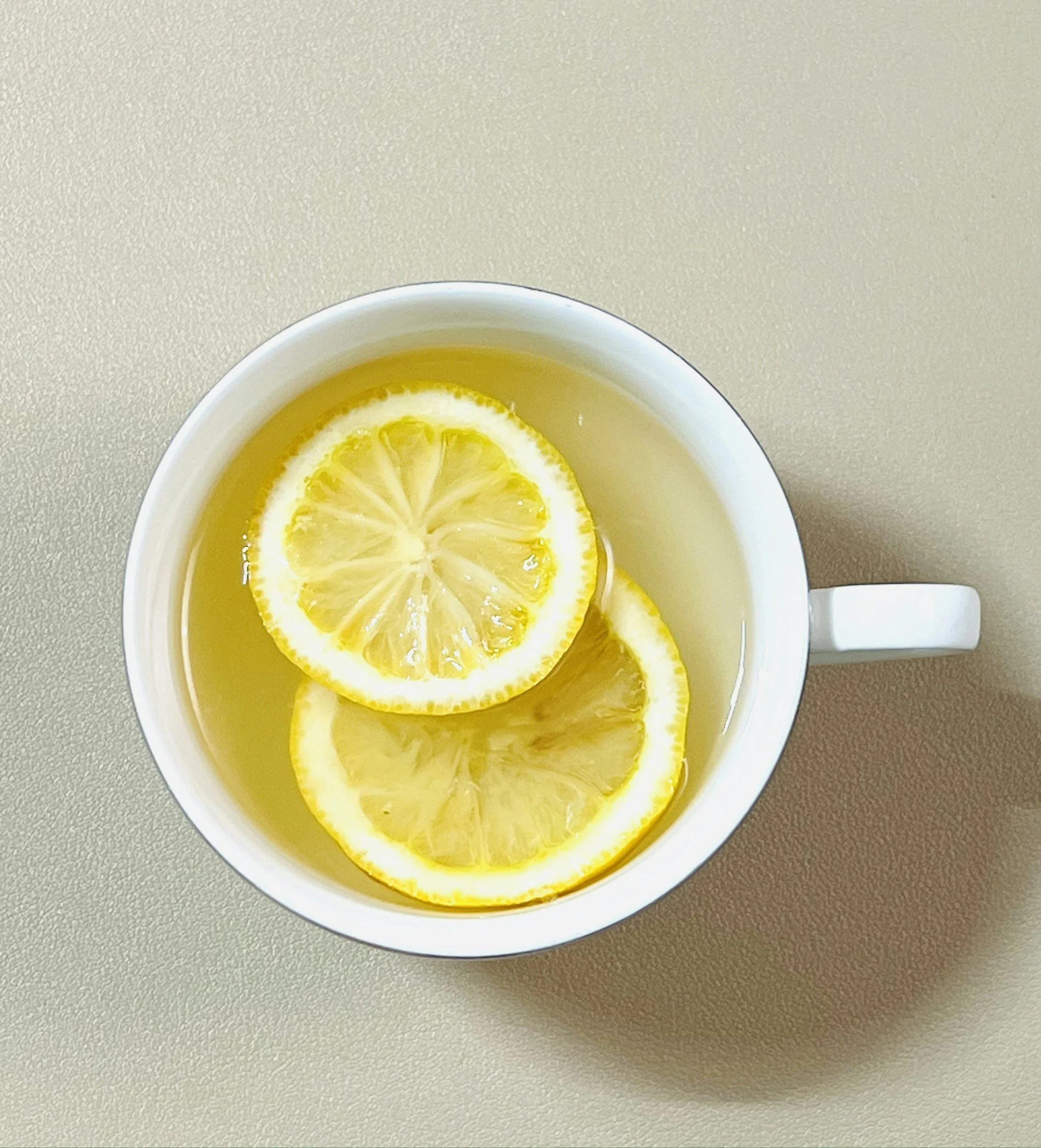
Start your day with a glass of warm water. This helps relax the sphincter of Oddi (the muscular valve controlling bile flow into the small intestine) and supports healthy bile viscosity, making it easier for that overnight bile to actually move where it needs to go.
Step 2: Bitters
Next, bring in something bitter — a squeeze of lemon in water, or a cup of dandelion tea. Bitter compounds hit the T2R (bitter taste) receptors in the mouth and gut, and this isn't just a taste sensation. It triggers a vagal reflex that communicates directly with the liver and gallbladder, helping to kick-start digestive and bile-release processes for the day ahead.
Step 3: A Small Amount of Targeted Fat
Within 30–60 minutes of waking, include a small amount of healthy fat — think an egg yolk or a little ghee. This triggers the release of cholecystokinin (CCK), the hormone responsible for contracting the gallbladder. Without this contraction, bile can sit and stagnate rather than being released to do its job.
Step 4: Movement
Finally, move your body, even a short 1-minute walk, some spinal twists, or a few rounds of diaphragmatic breathing. This wakes up peristalsis (the wave-like muscle contractions that move things through your gut) and supports vagal tone, reinforcing everything the first three steps have set in motion.
Step 5:
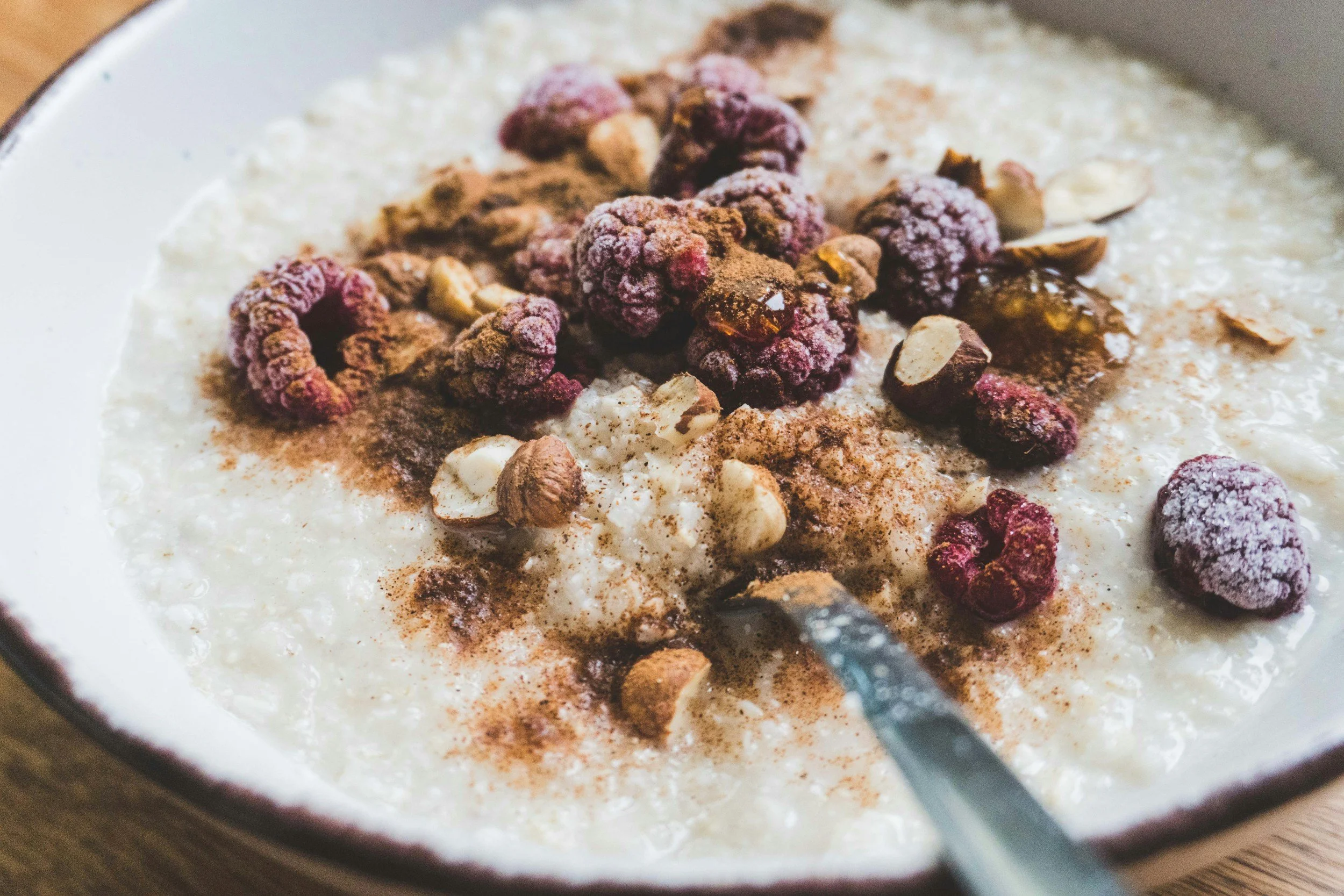
When bile is released you need to bind it to fiber to support it to not be reabsorbed. Soluble fiber in oats, psyllium, cooked apple and PHGG acts like a sponge, soaking up the bile to be eliminated. I personally do 1tbsp of PHGG in 250ml of water. PHGG also encourages beneficial bacteria such as Bifidobacterium and lactobacillus to flourish in the colon. Porridge is also an obvious choice. Add 1/2 cup of berries to support the liver with antioxidants too.
Why This Sequence Matters
None of these steps work in isolation, it's the order and the timing that make this effective. Your liver has already done its overnight work; this morning sequence is about making sure that work doesn't go to waste by supporting efficient elimination.
Supporting Bile Quality: Phosphatidylcholine and Taurine
Beyond timing and morning habits, bile itself needs the right building blocks to do its job well.
Phosphatidylcholine is a key structural component of bile, helping to keep cholesterol and fats emulsified and in solution. Without adequate phosphatidylcholine, bile can become thicker and more prone to forming sludge or stones over time.
Taurine is one of the two amino acids the liver uses to conjugate bile acids (the other being glycine). Taurine-conjugated bile acids are more water-soluble, which supports smoother bile flow and more effective fat digestion. Taurine is also an amazing supplement in Perimenopause for cardiovascular support, and energy.
Together, these two nutrients support not just the quantity of bile your liver produces, but the quality, helping ensure it flows well and does its job efficiently once it's released.
Extra Support
If you're not having a regular bowel movement in the morning, this can be a sign that there's a "bottleneck" further upstream in this elimination cycle. This is worth addressing rather than ignoring, and it's exactly the kind of thing a health practitioner can help with. A naturopath can guide you through investigating the underlying causes, so you can get to the root of what's going on and support your body's elimination more effectively.

References
Chiang, J.Y.L. & Ferrell, J.M. (2020). Up to date on cholesterol 7 alpha-hydroxylase (CYP7A1) in bile acid synthesis. Liver Research, 4(2), 47–63.
Yu Z, Yang J, Xiang D, Li G, Liu D, Zhang C. Circadian rhythms and bile acid homeostasis: a comprehensive review. Chronobiol Int. 2020 May;37(5):618-628. doi: 10.1080/07420528.2020.1733590. Epub 2020 Mar 4. PMID: 32126853.
Avau, B., Rotondo, A., Thijs, T., Andrews, C.N., Janssen, P., Tack, J., & Depoortere, I. (2015). Targeting extra-oral bitter taste receptors modulates gastrointestinal motility with effects on satiation. Scientific Reports, 5, 15985.
Liddle, R.A., Goldfine, I.D., Rosen, M.S., Taplitz, R.A., & Williams, J.A. (1985). Cholecystokinin bioactivity in human plasma: molecular forms, responses to feeding, and relationship to gallbladder contraction. Journal of Clinical Investigation, 75(4), 1144–1152.