
Endometriosis and the Immune System: More Than Hormones
Endometriosis Is Not Just a Hormone Problem: How the Immune System Drives This Condition
If you have endometriosis, you have probably been told it is a hormonal condition, a gynaecological one, a problem that lives in the pelvis. Estrogen does fuel it, and the pelvis is where the pain is. But I always want to be clear with the women I work with that this is only part of the picture. A growing body of research shows endometriosis is better understood as a systemic, immune-mediated inflammatory disease, and that changes how we approach treatment.
What the new Yale research found
A 2026 study from Yale School of Medicine, published in Molecular Medicine, set out to ask where the cells inside an endometriosis lesion actually come from. [1]
The old explanation is retrograde menstruation, where menstrual tissue flows backwards and simply implants in the pelvis. The researchers tested this in a mouse model, transplanting uterine tissue from donor mice carrying a fluorescent marker into recipient mice. After 18 weeks they used single-cell sequencing to see which cells were in the lesions. [1, 2]
The result was striking. About 65% of the cells in the lesions came from the host’s own circulation, and only 35% came from the transplanted uterine tissue. Those host cells included macrophages, T cells, B cells and natural killer cells, along with fibroblasts and blood vessel cells. Genes linked to endometriosis, including KRAS, IGF-1 and MMP-2, were highly active in these host-derived cells. [1, 2]
This was a mouse study, so it needs confirming in women. But it fits what we already see clinically. Most women experience some retrograde flow, yet only around one in ten develop endometriosis. [3] Something about how the immune system responds appears to decide who does.
Endometriosis as a systemic, immune-mediated disease
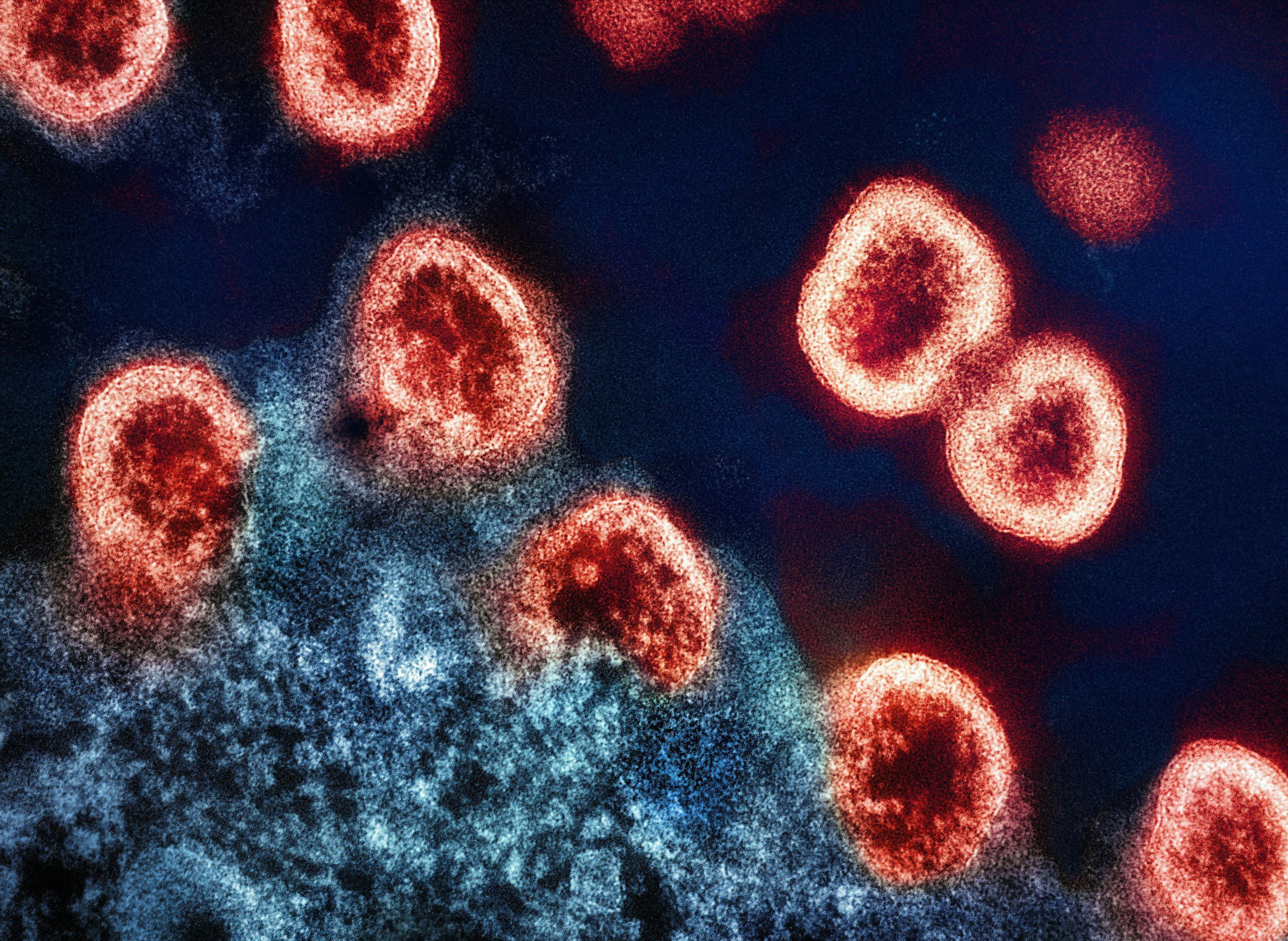
Other research points the same way. Reviews of the immune environment in endometriosis describe an accumulation of disease-associated macrophages, reduced natural killer cell activity, impaired dendritic cell maturation and weakened T cell killing. Together these promote inflammation, new blood vessel growth, scar tissue and immune evasion. [4]
It also reaches beyond the pelvis. Reviews describe endometriosis affecting liver and fat tissue metabolism, driving systemic inflammation and influencing pain sensitisation and mood. [3] A systematic review and meta-analysis of 26 studies found endometriosis is associated with several autoimmune conditions, including lupus, Sjogren’s syndrome, rheumatoid arthritis, autoimmune thyroid disease, coeliac disease, multiple sclerosis and inflammatory bowel disease. [5] Only five of those studies were high quality, so this is an association rather than proof of cause. Endometriosis is also not classified as an autoimmune disease. But it may help explain why so many women with endometriosis tell me about fatigue, gut symptoms and low mood alongside their period pain.
How this changes treatment
Hormonal treatment and surgery have an important place, and I would never ask anyone to give up that care. But the Yale team notes these approaches often have limited effectiveness and high recurrence rates. [2] If immune cells are doing much of the work inside lesions, then switching off ovarian hormones is only one lever. In my clinic, an immune lens means we also look at:
Total inflammatory load: sleep, stress, nutrient status and food quality
Overlap with other immune conditions: thyroid antibodies, coeliac screening and gut inflammation are worth checking when symptoms point that way
Estrogen metabolism and clearance: how well your liver and gut are processing estrogen, which I often assess with DUTCH testing (see my post on sulforaphane, DIM and estrogen metabolism)
Blood sugar stability: large glucose swings add to the body’s inflammatory load. This is general physiology rather than endometriosis-specific trial evidence, but it is one of the simplest levers we have. Eat protein and vegetables first, build meals around protein and fibre, and take a short walk after eating. Choosing a savoury, protein-rich breakfast before coffee also helps (see my post Protein Before Coffee)
Targeted supplements with research behind them, which is where the three below come in
Curcumin: calming the inflammatory signalling
Curcumin, the active compound in turmeric, has plausible effects on endometriosis in lab research. It appears to dampen inflammatory signalling such as NF-kB and to reduce pro-angiogenic activity. A systematic review of curcumin, quercetin and resveratrol in endometriosis found beneficial effects across inflammation, oxidative stress and blood vessel growth, but only one clinical trial was included at the time. [6]
The human trials since then are mixed:
A triple-blind trial of 68 women gave 500 mg of curcumin twice daily for 8 weeks and found no significant difference in pain or quality of life versus placebo [7]
A small 2025 trial of a nanomicelle curcumin (40 mg daily for three months) reported improvements in dysmenorrhoea, dyspareunia, dyschezia and chronic pelvic pain [8]
My reading is that formulation and absorption matter, and that curcumin is best viewed as a supportive piece rather than a standalone treatment. Because curcumin can affect bile flow and blood clotting, check with your practitioner first if you take blood thinners or have gallstones.
NAC (N-acetylcysteine): antioxidant support with surprising lesion data
NAC is a precursor to glutathione, one of the body’s main antioxidants. In a mouse model of endometriosis it reduced lesion size and cell proliferation and lowered COX-2 and MMP-9 activity. [9]
The human data is observational but interesting. In an Italian cohort of women with ovarian endometriomas, 600 mg of NAC three times daily (1.8 g per day) for three months was associated with a small average reduction in cyst diameter (1.5 mm), while untreated cysts grew by an average of 6.6 mm. Twenty-four of the NAC-treated women cancelled their planned laparoscopy because their cysts shrank or disappeared, their pain eased or they became pregnant, compared with one woman in the untreated group. [10] A later prospective study from the same group reported improved pain, smaller endometriomas and lower CA-125 levels. [11]
These were not placebo-controlled trials, and the women chose whether to take NAC, so I treat the results as encouraging rather than conclusive. NAC can cause stomach upset in some people and interacts with nitroglycerin, so it is worth having it prescribed to suit you rather than self-dosing.
Palmitoylethanolamide (PEA) with polydatin: a lesser-known option for mast cells and pain
This is the one most women have not heard of. PEA is a fatty acid compound your body makes naturally, and it helps settle mast cells, the immune cells that release inflammatory chemicals and sensitise pain nerves. Mast cells are among the immune cell types found in endometriosis lesions, and that was the rationale for the first clinical use in women with endometriosis pain. [4, 12] Polydatin is a resveratrol-related plant compound that is typically paired with PEA.
A meta-analysis found micronised PEA 400 mg with polydatin 40 mg twice daily for three months gave a clinically relevant improvement in chronic pelvic pain and dysmenorrhoea, with less benefit for deep dyspareunia. [13] The honest caveat is that it was based on only four low-quality studies, so it needs proper randomised trials. A later analysis suggested women starting with higher pain scores (above 6 out of 10) were the most likely to respond. [14] Safety data in pregnancy is limited, so please talk with a practitioner if you are trying to conceive.
Support alongside your medical care
None of these replace your gynaecologist, imaging or surgical options. They are tools to add to your care, ideally chosen around your symptoms, your hormone and gut picture, your medications and your goals.
If you would like help working out where these fit for you, I would love to support you. Curious? Book a clarity call with me here.
Frequently asked questions
Frequently asked questions about endometriosis and the immune system
Is endometriosis an autoimmune disease?
Not by current classification. Endometriosis is better described as an immune-mediated inflammatory disease. It is associated with a higher risk of several autoimmune conditions, but this does not mean endometriosis itself is autoimmune. [3, 5]
Is endometriosis caused by retrograde menstruation?
Retrograde menstruation is part of the story, but most women experience it without developing endometriosis. The 2026 Yale mouse study found most cells in lesions came from the host’s own circulation, including many immune cells, which suggests the process is more complex than simple tissue implantation. [1, 3]
Can diet and supplements treat endometriosis?
They are best used as support alongside medical care, not instead of it. Blood sugar balance, nutrient-dense food, sleep, stress support and targeted supplements may help lower inflammation and ease symptoms, but they are not a cure.
Does curcumin help endometriosis pain?
The evidence is mixed. One triple-blind trial found no benefit from standard curcumin, while a small trial of a highly absorbable curcumin reported pain improvements. Formulation seems to matter, and it works best as a supportive therapy. [7, 8]
How much NAC is used for endometriosis?
In the Italian cohort studies, 1.8 g per day (600 mg three times daily) was used for three months. Dosing should be individualised and supervised, particularly if you take other medications or are trying to conceive. [10]
What is PEA with polydatin and is it evidence-based?
PEA is a naturally occurring compound that helps calm mast cells and pain signalling, and polydatin is a plant compound often paired with it. Early studies show pain improvement in endometriosis, but the research is limited and larger trials are still needed. [12, 13]
This article is for educational purposes and is not a substitute for individual medical advice.
References
Mamillapalli R, Pyneni K, Watson K, Habata S, Gawde N, Taylor H. Redefining the contribution of retrograde menstruation to endometriosis: single-cell analysis of endometriotic lesions suggests a process more complex than simple autografting. Mol Med. 2026;32:41. PMID: 41714950. https://pubmed.ncbi.nlm.nih.gov/41714950
Yale School of Medicine. Immune Cells Dominate Endometriosis Tissue in New Study (research summary, reviewed by the study’s senior author). 2026. https://medicine.yale.edu/publication-details/immune-cells-dominate-endometriosis-tissue/
Garmendia JV, De Sanctis CV, Hajduch M, De Sanctis JB. Endometriosis: An Immunologist’s Perspective. Int J Mol Sci. 2025;26:5193.
Targeting the Immune Network in Endometriosis: A Comprehensive Review of Pathogenesis, Immunomodulation, and Emerging Therapies. Pharmaceuticals (Basel). 2026;19(7):1074. doi:10.3390/ph19071074
Shigesi N, Kvaskoff M, Kirtley S, et al. The association between endometriosis and autoimmune diseases: a systematic review and meta-analysis. Hum Reprod Update. 2019;25(4):486-503. PMID: 31260048. https://pubmed.ncbi.nlm.nih.gov/31260048/
Hipolito-Reis M, Neto AC, Neves D. Impact of curcumin, quercetin, or resveratrol on the pathophysiology of endometriosis: a systematic review. Phytother Res. 2022;36(6):2416-2433. PMID: 35583746. https://pubmed.ncbi.nlm.nih.gov/35583746/
Gudarzi R, Shabani F, Mohammad-Alizadeh-Charandabi S, et al. Effect of curcumin on painful symptoms of endometriosis: a triple-blind randomized controlled trial. Phytother Res. 2024.
Amirian M, Omidkhoda N, Hafizi L, et al. Effect of curcumin nanomicelle on the intensity of dysmenorrhea in endometriosis patients: a randomized triple-blind placebo-controlled trial. J Kerman Univ Med Sci. 2025;32:3820. doi:10.34172/jkmu.3820
Pittaluga E, Costa G, Krasnowska E, et al. More than antioxidant: N-acetyl-L-cysteine in a murine model of endometriosis. Fertil Steril. 2010. doi:10.1016/j.fertnstert.2010.06.038
Porpora MG, Brunelli R, Costa G, et al. A promise in the treatment of endometriosis: an observational cohort study on ovarian endometrioma reduction by N-acetylcysteine. Evid Based Complement Alternat Med. 2013;2013:240702. PMID: 23737821. https://pubmed.ncbi.nlm.nih.gov/23737821/
Anastasi E, Porpora MG, et al. Efficacy of N-acetylcysteine on endometriosis-related pain, size reduction of ovarian endometriomas, and fertility outcomes. Int J Environ Res Public Health. 2023;20(6):4686.
Indraccolo U, Barbieri F. Effect of palmitoylethanolamide-polydatin combination on chronic pelvic pain associated with endometriosis: preliminary observations. Eur J Obstet Gynecol Reprod Biol. 2010;150(1):76-79. PMID: 20176435. https://pubmed.ncbi.nlm.nih.gov/20176435/
Indraccolo U, Indraccolo SR, Mignini F. Micronized palmitoylethanolamide/trans-polydatin treatment of endometriosis-related pain: a meta-analysis. Ann Ist Super Sanita. 2017;53(2):125-134. doi:10.4415/ANN_17_02_08
Indraccolo U, Favilli A, Dell’Anna A, et al. Looking for responders among women with chronic pelvic pain treated with a comicronized formulation of micronized palmitoylethanolamide and polydatin. Biomed Res Int. 2022;2022:8620077. PMID: 35578721. https://pubmed.ncbi.nlm.nih.gov/35578721/