
Thrush After Antibiotics: Why It Keeps Coming Back and How to Rebuild
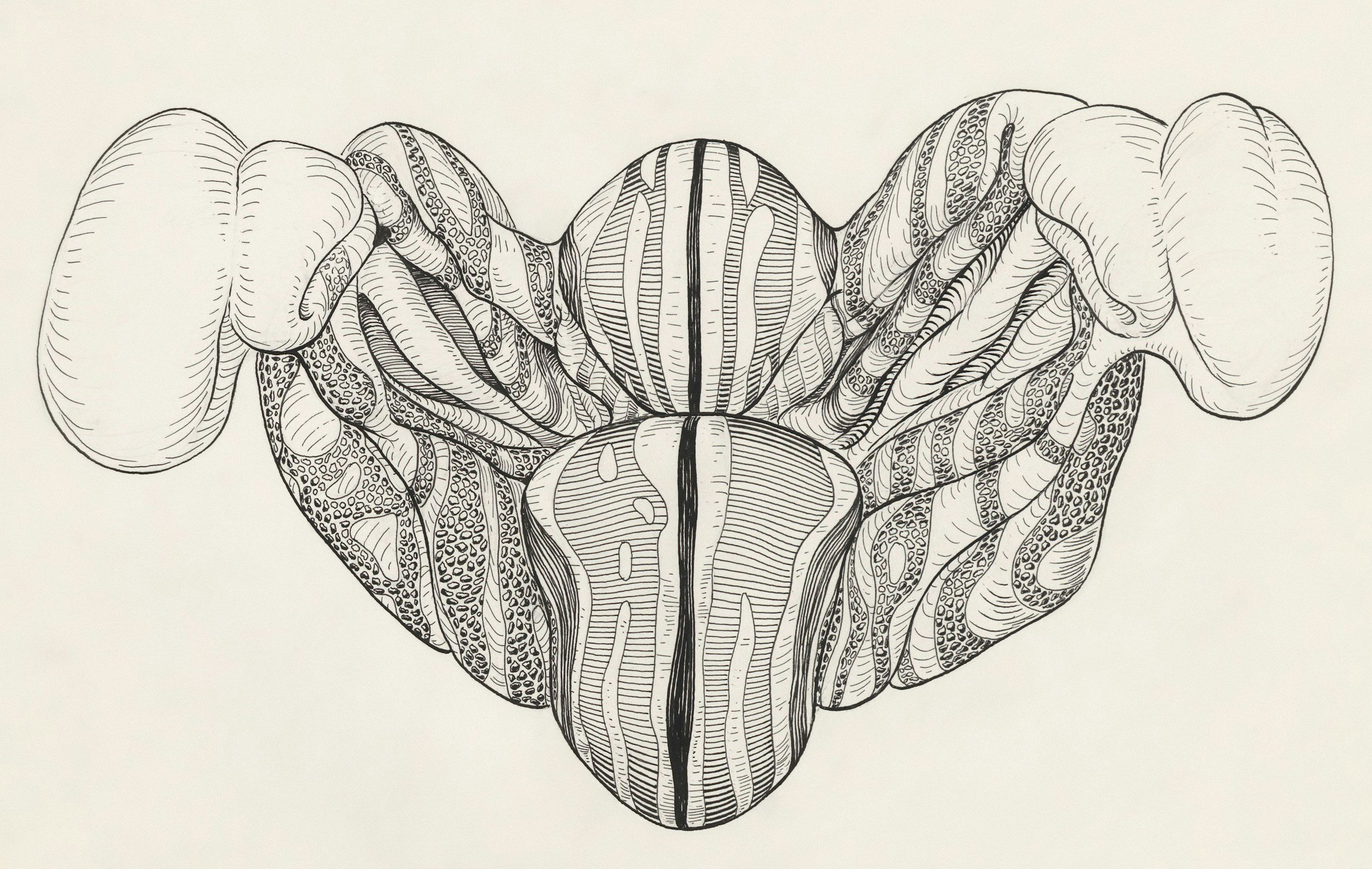
Did you know that thrush is often less about the yeast itself and more about what has happened to the community of bacteria that normally keeps it in check?
If you have had thrush or a yeast infection once, twice, or on repeat, you are far from alone. Around 75% of women will experience at least one episode in their lifetime, and an estimated 5 to 10% go on to have recurrent thrush, usually defined as three or more symptomatic episodes in a year [1]. In my clinic, I see how draining this can be. The itching, the burning, the planning your life around it. Let’s look at what is really going on.
Your vaginal pH: the protective acid mantle
A healthy vagina is meant to be acidic. In women of reproductive age, Lactobacillus bacteria ferment glycogen in the vaginal lining into lactic acid, which keeps the pH at roughly 3.8 to 4.5 [2]. Think of it as a protective acid mantle, a bit like the one on your skin.
Candia thrives in a pH of 5-6.5.However the vaginal pH can be still in that normal range because Candida can be quite acid tolerant [1]. In clinic I use vaginal pessaries that help to lower the pH to a healthy level. This creates an environment the candida does not like and therefore can not grow in. The goal is to protect and restore the lactobacilli-rich environment that keeps the whole ecosystem steady.
Why pH is a useful clue: if your pH is above 4.5, your symptoms may be also bacterial vaginosis or a mix of infections rather than thrush alone. Treating the wrong thing is one of the most common reasons thrush seems to “keep coming back”. It is well worth getting a proper swab and pH check with your doctor.
In clinic I use a specific vaginal pessary protocol to help lower the pH when needed. This helps the lactobacillus to flourish, driving out the candida.

Why thrush so often follows antibiotics
Antibiotic treatment is one of the most recognised triggers for symptomatic thrush [3]. Antibiotics cannot tell the difference between the bacteria causing an infection and the lactobacilli protecting your vagina and gut. When lactobacilli numbers or balance shift, the restraints on Candida loosen. It can colonise more easily, grow, and switch into its invasive, thread-like hyphal form [3].
It is not guaranteed, though. In one Australian trial of women taking antibiotics, around 23% went on to develop post-antibiotic thrush [4]. That tells us the rest of your terrain matters too: hormones, blood sugar, immune function and the gut all play a part.
Lactobacillus crispatus- The Queen
It is also not just about how many lactobacilli you have. Research suggests the species matter. Lactobacillus crispatus appears to help block Candida from sticking to the vaginal wall, whereas women with recurrent thrush often show more microbial diversity, more Lactobacillus iners and less L. crispatus [1]. Quality, not just quantity.
I use a specific probiotic with high amounts of lactobacillus crispatus both orally and as a pessary. This helps to build the bacteria up where it is needed.
WHEN THRUSH DOES NOT RESPOND: RESISTANT CANDIDA SPECIES AND TESTING
Most thrush is caused by Candida albicans, but in recurrent or treatment-resistant cases other species show up more often, particularly Candida glabrata (also called Nakaseomyces glabratus), plus C. krusei, C. parapsilosis and C. tropicalis. Non-albicans species are estimated to account for around 10 to 20% of recurrent cases [12]. Some of them, such as C. glabrata and C. krusei, are naturally less responsive to fluconazole, the most commonly prescribed antifungal [13], and they are more common in women with diabetes or who have had multiple courses of fluconazole [1]. Using the wrong treatment on the wrong species is like trying the wrong key in a lock. It can look like “my thrush won’t go away” when the real issue is that the organism was never identified.
This is why, in complex cases, I use testing rather than guessing. I order Microgen Dx and high-level PCR vaginal swabs to check which Candida species are present. Microgen Dx uses next-generation genome sequencing, which screens a swab against more than 40,000 different species of bacteria and fungi, so we can see which Candida is present and also which lactobacilli and other microbes are in the mix. PCR gives species-level answers faster than traditional culture, which can take several days and often only reports “Candida” [14]. I order these tests myself and interpret the results before building an individualized protocol for each client.
Results always need context. Candida can live in the vagina without causing symptoms (up to 20 to 30% of healthy women), and very sensitive tests are more likely to pick that up [1]. A positive result does not automatically mean that organism is the cause of your symptoms, and testing or treating without symptoms is not recommended [1]. I read every result alongside your symptoms, history and examination findings. If symptoms persist even after the right organism has been treated, it is time to look for other causes, such as lichen sclerosus, vulval eczema or vulvodynia [1].
CANDIDA BIOFILMS: WHY SOME THRUSH IS SO STUBBORN
Candida can form biofilms, which are communities of cells wrapped in a protective, sticky matrix. Cells inside a biofilm can tolerate antifungal concentrations up to 1,000 times higher than free-floating cells [15]. In a 2025 study of recurrent thrush, strong biofilm-forming strains of C. albicans were more common in recurrent cases and were more drug tolerant [15].
Rebuilding the vaginal microbiome
This is where probiotics come in, and where the type, length of time you take them and strain really matter.
A Cochrane review found that adding probiotics to standard antifungal treatment reduced relapse at one month, but did not change longer term cure rates, and the quality of evidence was limited [5].
A 2024 review of 25 clinical studies described the results as generally positive but inconsistent, noting that antifungals remain more effective than probiotics, while the combination appears to reduce recurrence and improve symptoms [6].
What does that mean in practice? Probiotics are a promising support, not a stand-alone cure. The strain, quality of the supplement and strength, the timing and the individual all matter, which is why I prefer to personalise rather than grab a generic product off the shelf.
Supporting the gut at the same time
Your gut and vaginal microbiomes are in constant conversation. One theory suggests the gut can act as a reservoir that helps seed the vagina with lactobacilli.
My gut-first foundations after antibiotics:
Eat the rainbow. A wide variety of plant foods (legumes, wholegrains, vegetables, fruit, nuts, seeds and mushrooms) feeds a more diverse, resilient microbiome.
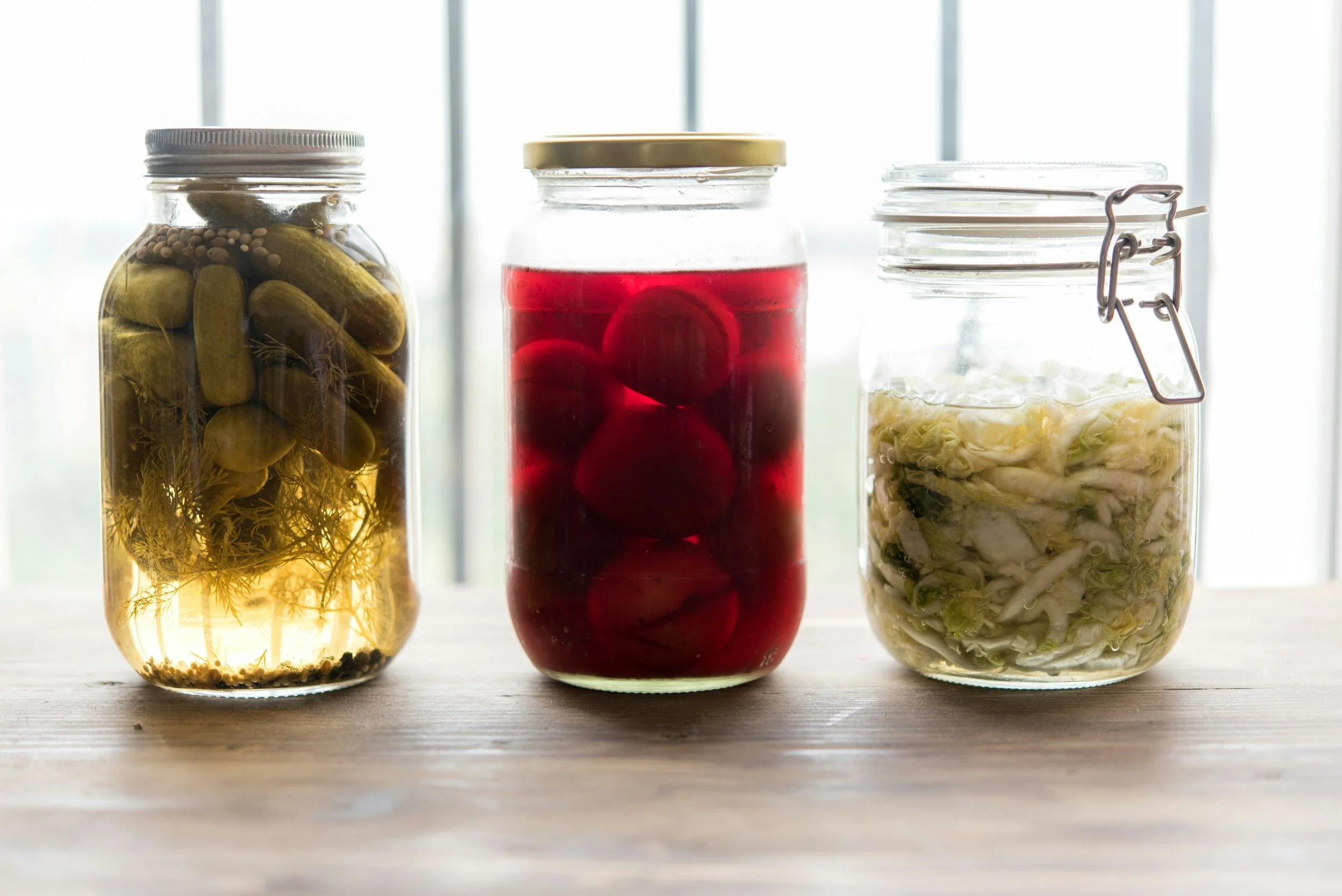
Include prebiotic fibre (PHGG) and fermented foods, building up gradually if your gut is sensitive.
Support regular elimination. Sluggish digestion affects the whole gut and hormone conversation.
Targeted probiotic strains for post antibiotics rather than a blanket approach.
Gentle vulval care
Good skin care is a cornerstone of managing thrush. Avoid over-washing, douching and unnecessary scented or “feminine hygiene” products, which can dry and irritate the vulval skin barrier [1].
Please avoid DIY vaginal remedies such as garlic cloves or essential oils, which can irritate delicate tissue.
The bigger picture
Chronic thrush is rarely just a yeast problem. It is an ecosystem story involving your vaginal microbiome, gut health, blood sugar, hormones and immune function. Treat the infection, then rebuild the terrain.
If you would like individualized support, I would love to help you work out what is driving your thrush. Book a consultation online or in clinic with me here.
FAQ
Why do I keep getting thrush after antibiotics?
Antibiotics reduce protective lactobacilli in the vagina and gut, which can loosen the restraints on Candida and allow it to overgrow [3]. Hormones, blood sugar and immune function also influence who is affected.
Does vaginal pH need to be lowered to treat thrush?
Often yes. Candida flourishes in a pH of 5-6.5. A pH above 4.5 can also suggest bacterial vaginosis or a mixed infection and is worth investigating.
Which probiotic strains are best for thrush?
Lactobacillus crispatus is the queen of the vaginal microbiome. Choosing a probiotic with high elvels of this strain is critical to it being effective.
How many episodes of thrush is considered recurrent?
Recurrent thrush is commonly defined as three or more symptomatic episodes within 12 months [1].
Is my gut health connected to thrush?
Quite likely. The gut and vaginal microbiomes interact, and the gut may help seed the vagina with lactobacilli, though research is still evolving [8,9,10]. Supporting the gut microbiome, fibre intake and stable blood sugar is a sensible foundation.
What if my thrush is resistant to treatment?
Some Candida species, such as C. glabrata and C. krusei, are naturally less responsive to fluconazole [13]. If you keep relapsing, ask your doctor about confirming the species. I also use Microgen Dx testing and PCR vaginal swabs in complex cases to identify the specific species before building a protocol.
Do Candida biofilms cause recurrent thrush?
Biofilms may help Candida survive treatment and return, particularly in recurrent thrush.
This article is for educational purposes and is not a substitute for individual medical advice.
REFERENCES
Rautemaa-Richardson R, Sobel JD, Stone N, et al. State-of-the-Art Review: Managing Vulvovaginal Candidiasis. Clin Infect Dis. 2026;82(3):371-382. https://doi.org/10.1093/cid/ciaf673
Kalia N, Singh J, Kaur M. Microbiota in vaginal health and pathogenesis of recurrent vulvovaginal infections: a critical review. Ann Clin Microbiol Antimicrob. 2020;19:5. PMID 31992328. https://pubmed.ncbi.nlm.nih.gov/31992328/
Sobel JD. Vulvovaginitis Caused by Candida Species Following Antibiotic Exposure. Curr Infect Dis Rep. 2019;21(11):44. PMID 31707496. https://pubmed.ncbi.nlm.nih.gov/31707496/
Pirotta M, Gunn J, Chondros P, et al. Effect of lactobacillus in preventing post-antibiotic vulvovaginal candidiasis: a randomised controlled trial. BMJ. 2004;329:548. https://www.bmj.com/content/329/7465/548
Xie HY, et al. Probiotics for vulvovaginal candidiasis in non-pregnant women. Cochrane Database Syst Rev. 2017;11:CD010496. PMID 29168557. https://pubmed.ncbi.nlm.nih.gov/29168557/
Akinosoglou K, Schinas G, Polyzou E, Tsiakalos A, Donders GGG. Probiotics in the Management of Vulvovaginal Candidosis. J Clin Med. 2024;13(17):5163. https://www.ncbi.nlm.nih.gov/pmc/articles/PMC11396221/
Falagas ME, Betsi GI, Athanasiou S. Probiotics for prevention of recurrent vulvovaginal candidiasis: a review. J Antimicrob Chemother. 2006;58(2):266-272. PMID 16790461. https://pubmed.ncbi.nlm.nih.gov/16790461/
Miles MR, Olsen L, Rogers A. Recurrent vaginal candidiasis: importance of an intestinal reservoir. JAMA. 1977;238(17):1836-1837. https://doi.org/10.1001/jama.238.17.1836
Oral Probiotics to Prevent Recurrent Vulvovaginal Infections During Pregnancy: multicenter double-blind, randomized, placebo-controlled trial. Nutrients. 2025;17(3):460. https://www.mdpi.com/2072-6643/17/3/460
Oral L. plantarum P17630 in women with a history of recurrent vulvovaginal candidiasis: a randomized double-blind placebo-controlled study. Eur Rev Med Pharmacol Sci. 2018;22(1):262-267. https://europeanreview.org/?p=14128
Suez J, Zmora N, Zilberman-Schapira G, et al. Post-Antibiotic Gut Mucosal Microbiome Reconstitution Is Impaired by Probiotics and Improved by Autologous FMT. Cell. 2018;174(6):1406-1423. PMID 30193113. https://pubmed.ncbi.nlm.nih.gov/30193113/
Non-albicans Candida and rare yeasts in vulvovaginal candidiasis: pathogen attribution, antifungal resistance, persistence, and species-informed management. Front Microbiol. 2026. https://doi.org/10.3389/fmicb.2026.1944046
Fluconazole-Resistant Vulvovaginal Candidosis: An Update on Current Management. Pharmaceutics. 2024;16(12):1555. PMID 39771534. https://pubmed.ncbi.nlm.nih.gov/39771534/
Arrieta-Aguirre I, et al. Molecular Identification of Fungal Species through Multiplex-qPCR to Determine Candidal Vulvovaginitis and Antifungal Susceptibility. J Fungi. 2023;9(12):1145. https://mdpi.com/2309-608X/9/12/1145
Li S, Shen Z, Wang S, Peng Y, Qi W. Study on the impact of biofilm formation by Candida albicans in recurrent vulvovaginal candidiasis on drug susceptibility. Front Cell Infect Microbiol. 2025. https://www.frontiersin.org/articles/10.3389/fcimb.2025.1663099/full
Zhou Y, Ying F, Jin X, et al. Candida albicans-bacterial polymicrobial biofilms in recurrent vulvovaginal candidiasis contributes to the drug resistance of the disease. Int J Clin Exp Pathol. 2016;9(11):12057-12067. https://e-century.us/files/ijcep/9/11/ijcep0040648.pdf
Biofilm Formation of Candida albicans Facilitates Fungal Infiltration and Persister Cell Formation in Vaginal Candidiasis. Front Microbiol. 2020;11:1117. https://pmc.ncbi.nlm.nih.gov/articles/PMC7289921/
Salama OE, Gerstein AC. Differential response of Candida species morphologies and isolates to fluconazole and boric acid. 2022. PMID 35446135. https://pubmed.ncbi.nlm.nih.gov/35446135/