
PMDD and Saffron: The natural prescription that can transform the luteal phase.
If you experience Premenstrual Dysphoric Disorder (PMDD), you'll know it's not "just PMS."
PMDD is a severe, cyclical mood condition that shows up in the luteal phase (the two weeks before your period) and can bring intense irritability, anxiety, anger, low mood, and a sense of losing control over your own emotional state. For many women, it's disruptive enough to affect relationships, work, and day-to-day functioning.
The conventional first-line treatment for PMDD is usually an SSRI antidepressant, most commonly fluoxetine. SSRIs can be effective, but they don't work for everyone, and side effects are a common reason women stop taking them. This has researchers looking for a natural treatment for PMDD that offers similar relief with a gentler side effect profile — and one of the most promising is a spice most of us already have in the pantry: saffron.
What Is Saffron and How Does It Help PMDD Symptoms?
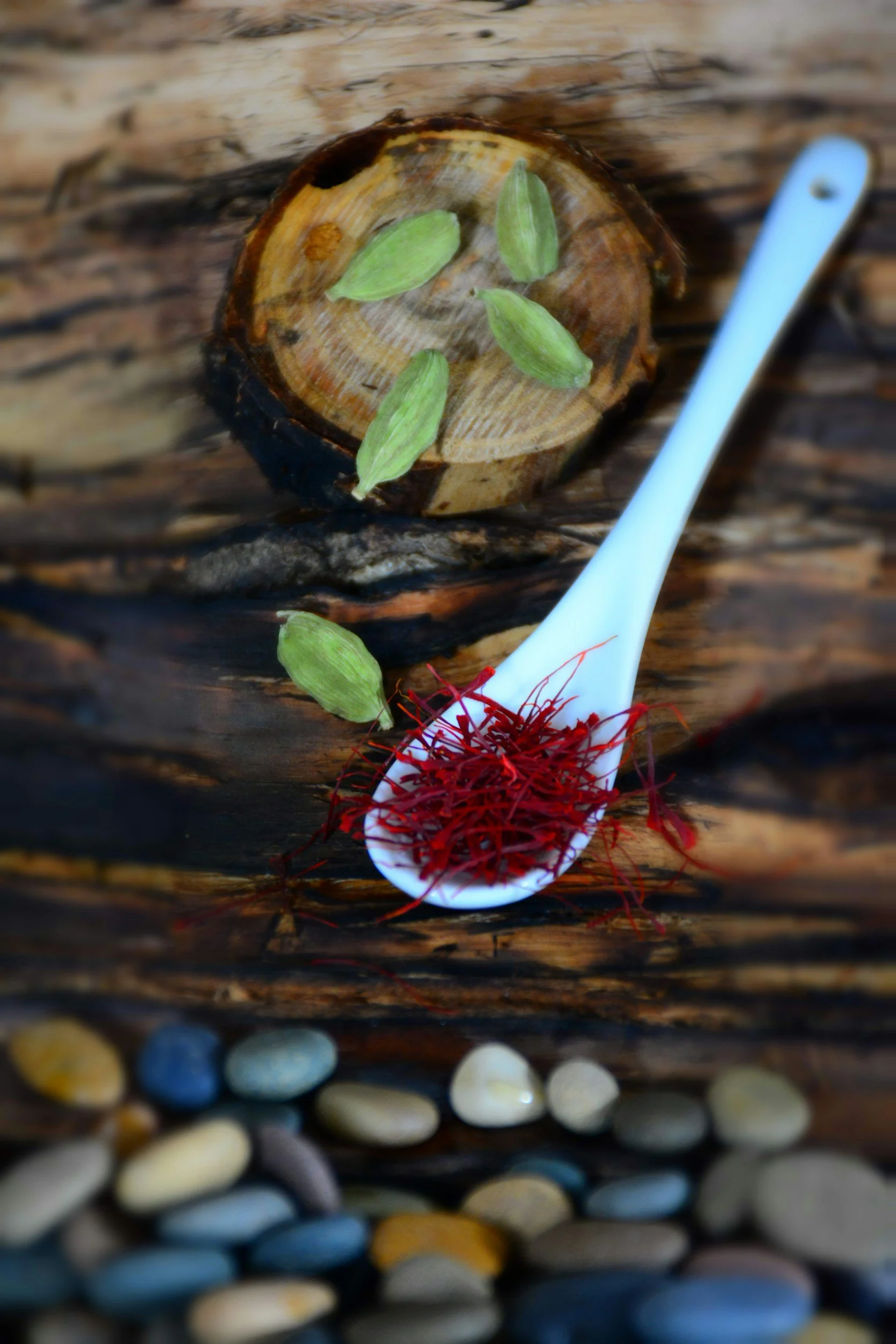
Saffron (Crocus sativus L.) is the dried stigma of a flower, long used in traditional Persian medicine and prized as the world's most expensive spice. Beyond the kitchen, saffron has been studied for its antidepressant, antioxidant, and mild analgesic properties. Its therapeutic activity is attributed to a handful of key active constituents:
Crocin and crocetin the carotenoid compounds responsible for saffron's deep red colour, thought to support serotonin activity and help calm inflammatory and oxidative stress pathways in the brain
Safranal the volatile compound behind saffron's distinctive aroma, associated with mood-modulating and antioxidant effects
Picrocrocin responsible for saffron's characteristic bitter taste, with additional antioxidant activity
It has been shown to be an effective herb for pain relief and anxiety as well. Helpful for those women experiencing PMDD and painful periods or anxiety.
Together, these constituents are thought to influence neurotransmitter balance (particularly serotonin), reduce oxidative stress, and support a calmer nervous system response mechanisms that overlap closely with what we're trying to achieve when managing PMDD symptoms naturally.
Saffron for PMDD: The Study, Outcomes and Dosage Used
A randomised controlled trial published in Advances in Biomedical Research set out to test saffron head-to-head against fluoxetine for PMDD. 120 women with a diagnosis of PMDD were split into three groups and treated for two weeks during the luteal phase, across two consecutive menstrual cycles, with either:
Fluoxetine, 20 mg twice daily
Saffron, 15 mg twice daily (30 mg per day total)
Placebo
Symptoms were tracked using the Daily Record of Severity of Problems (DRSP) and the Hamilton rating scale, before and after treatment. The results were encouraging: all three groups showed significant improvement over the two weeks, but saffron showed a clear and statistically significant advantage over placebo on DRSP scores. When compared directly with fluoxetine, saffron performed just as well, with no significant difference in efficacy between the two on either measure. In other words, in this trial, saffron matched the SSRI for symptom relief, making saffron dosage of 30 mg per day (15 mg twice daily) a strong option for people struggling with PMDD.
Is Saffron Safe? Using It Alongside an SSRI
One of the most clinically useful findings from this study was around tolerability. Fluoxetine produced a significantly higher rate of adverse effects compared with both saffron and placebo, while saffron's side effect profile was minimal and comparable to placebo. This mirrors what's been observed in other saffron trials, where fluoxetine users report more issues like dry mouth, nausea, and sexual dysfunction, while saffron is generally well tolerated.
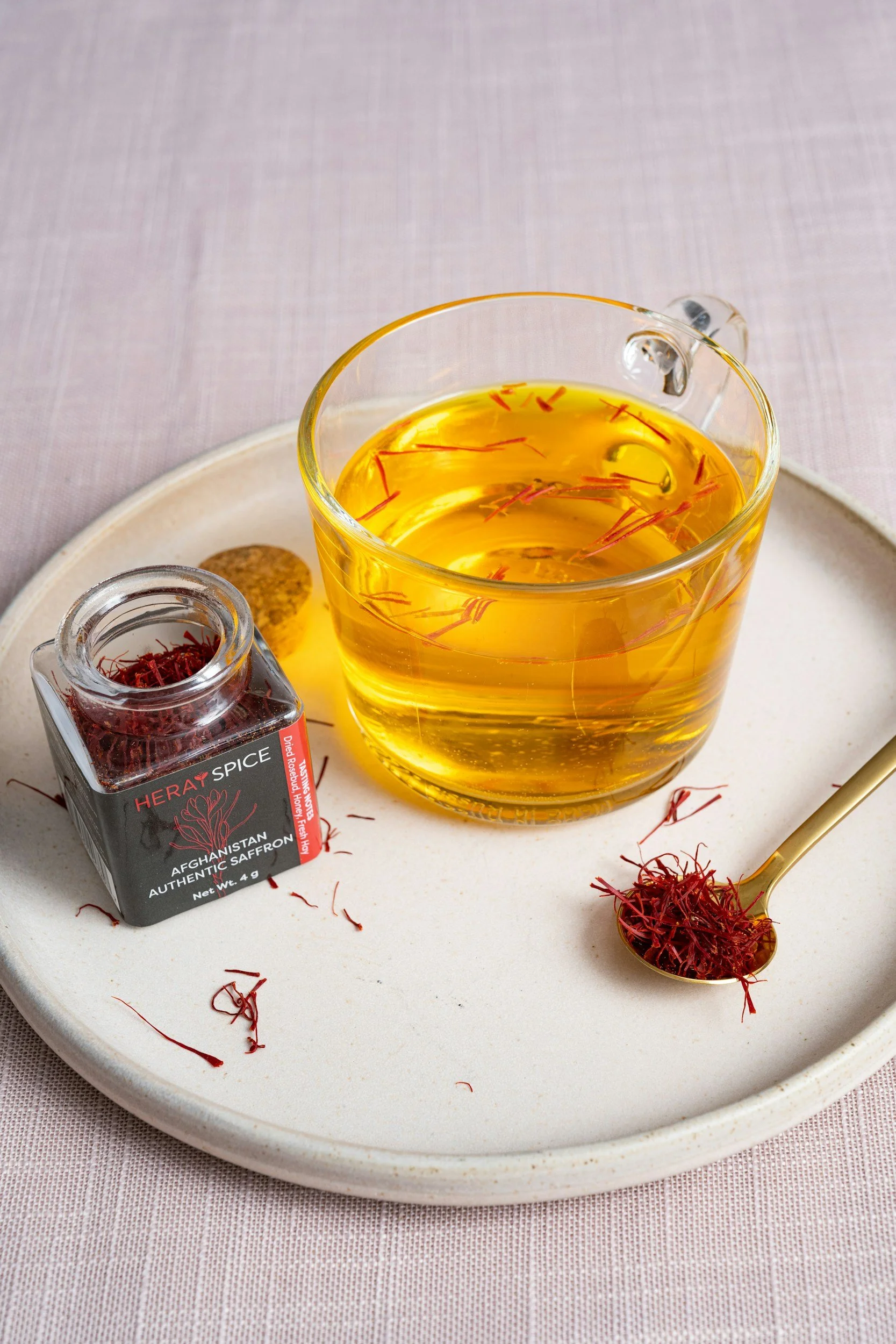
This makes saffron a genuinely useful option to discuss with clients, whether as a standalone approach for those wanting to avoid pharmaceuticals, or as a complementary addition for those already on an SSRI. Saffron hasn't shown the kind of serotonergic overload risk associated with combining multiple pharmaceutical antidepressants, and some research has even shown it can help offset SSRI-related side effects such as sexual dysfunction. That said, because saffron does influence serotonin activity, anyone taking an SSRI or other serotonergic medication should only introduce saffron under the guidance of their prescribing doctor or a qualified practitioner, so it can be monitored appropriately alongside their existing treatment. Saffron should also be avoided in pregnancy at therapeutic doses, and sourcing a quality, standardised extract matters, culinary saffron in cooking amounts won't provide a clinically meaningful dose.
If you're navigating PMDD and want to explore where saffron might fit into your picture, alongside mineral support, nutrition and the other pieces that influence hormone and mood balance across your cycle, I'd love to help you work out a plan that's right for you.. Curious? Book a clarity call with me here.

Frequently Asked Questions About Saffron and PMDD
Can saffron really help with PMDD symptoms? Yes. A randomised controlled trial of 120 women with PMDD found that saffron significantly improved symptoms compared with placebo, and performed just as well as fluoxetine, a commonly prescribed SSRI.
What is the saffron dosage used for PMDD in research? The clinical trial used 15 mg of saffron extract taken twice daily (30 mg total per day), for two weeks during the luteal phase, across two menstrual cycles.
What are the active compounds in saffron for mood support? Saffron's key active constituents are crocin, crocetin, safranal, and picrocrocin. These compounds are associated with serotonin support, antioxidant activity, and reduced inflammation in the brain.
Is saffron safe to take with an SSRI like fluoxetine? Saffron has a favourable safety profile and hasn't shown the serotonergic overload risk seen with combining multiple pharmaceutical antidepressants. However, because it does interact with serotonin pathways, it should only be combined with an SSRI under the guidance of your qualified practitioner.
Does saffron have side effects? In the PMDD trial, saffron's side effect rate was minimal and comparable to placebo, while fluoxetine produced significantly more adverse effects. Saffron is generally well tolerated at studied doses.
Is saffron a substitute for medication in PMDD? For some women, saffron may be a suitable standalone option; for others already on an SSRI, it may be used as a complementary approach. This is a decision to make with your practitioner, based on your individual history and symptoms.
References
Rajabi F, Rahimi M, Sharbafchizadeh MR, Tarrahi MJ. Saffron for the Management of Premenstrual Dysphoric Disorder: A Randomized Controlled Trial. Adv Biomed Res. 2020 Oct 30;9:60. doi: 10.4103/abr.abr_49_20. PMID: 33457343; PMCID: PMC7792881.