
Microplastics in the Home: Everyday Exposure, Health Impacts, and Gentle Detox Support

In recent years, there has been a growing awareness of microplastics and their presence in our environment. What is becoming increasingly clear is that these tiny plastic particles are not just in our oceans, they are in our homes, our food, our water, and ultimately, our bodies.
As a naturopath, I often get asked whether we can “detox” microplastics. The answer is not as straightforward as we might hope. While there is currently no known method to directly remove microplastics from the body, there is still a lot we can do to reduce exposure and support the body’s natural detoxification processes.
Let’s explore what we know so far.
What are microplastics?
Microplastics are tiny plastic particles less than 5mm in size. They come from the breakdown of larger plastic items, as well as from everyday products such as synthetic fabrics, cleaning supplies, food packaging, and even personal care items.
Because of their size, they can easily enter the human body through ingestion, inhalation, and possibly even through the skin.

Microplastics in the human body
Emerging research is now confirming that microplastics are accumulating in human tissues.
A 2022 study published in Environment International detected microplastics in human blood for the first time, suggesting they can circulate through the body.
Other studies have found microplastics in the lungs, liver, placenta, and digestive tract. Research published in Science of the Total Environment and The New England Journal of Medicine has raised concerns about their potential to contribute to inflammation, oxidative stress, and disruption to normal cellular function.
At this stage, the long-term health implications are still being understood. However, the concern lies in both the physical presence of these particles and the chemical compounds they carry, including endocrine-disrupting chemicals such as BPA and phthalates.
Can we detox microplastics?
This is where it is important to be clear and grounded.
Currently, there is no scientifically proven way to directly remove microplastics from the body.
This means that any product or protocol claiming to “eliminate” microplastics should be approached with caution.
However, this does not mean we are powerless.
What we can do is:
Reduce ongoing exposure
Support the body’s natural detoxification pathways to remove the chemicals in microplastics
Lower overall toxic load
This is where a holistic, long-term approach becomes both practical and empowering.
Common sources of microplastics in the home
Many of the most significant exposures happen in everyday environments.
Some common sources include:
Synthetic clothing
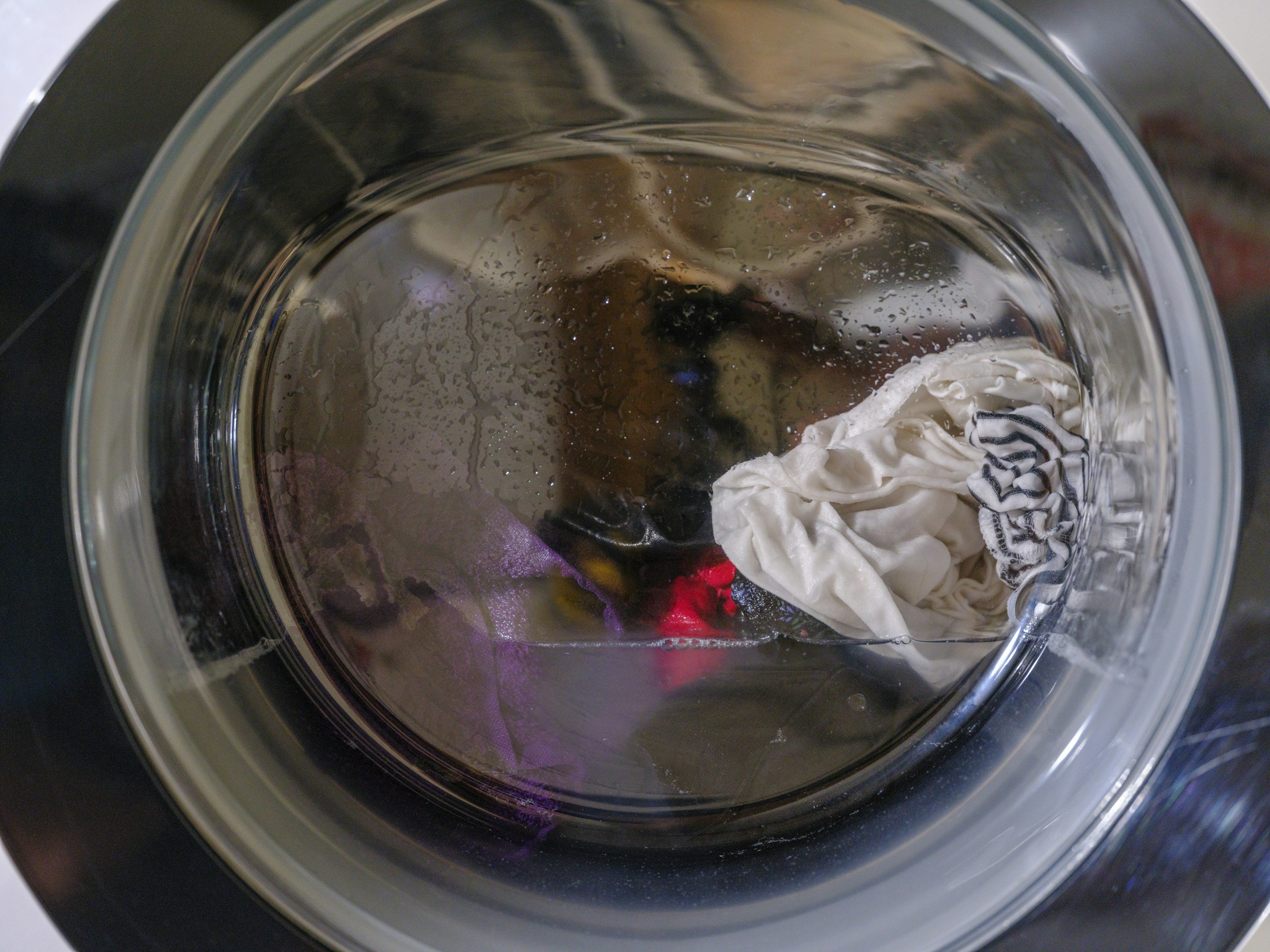
Fabrics such as polyester, nylon, and acrylic shed microfibres, especially during washing and drying.Indoor dust
Microplastics accumulate in household dust, which can be inhaled over time.Food storage and packaging
Plastic containers, cling wrap, and takeaway packaging can leach particles into food, particularly when heated.Water
Both tap and bottled water have been shown to contain microplastics.Cleaning products and sponges
Some contain plastic-based materials that break down with use.
Simple ways to reduce exposure at home
Small, consistent changes can make a meaningful difference over time.
Choose natural fibres where possible
Opt for cotton, linen, or wool, especially for items that are in close contact with your skin.Be mindful with food storage
Use glass, stainless steel, or ceramic instead of plastic, particularly for hot food and liquids.Avoid heating plastic
This significantly increases the release of microplastics and chemicals.Filter your water
A high-quality water filter can help reduce exposure.Improve indoor air quality
Regular ventilation, vacuuming with a HEPA filter, Indoor HEPA air filter and dust reduction can help minimise inhalation.Switch to low-tox cleaning products
This reduces overall chemical load and environmental impact.
Supporting the body’s natural detox pathways
While we cannot directly remove microplastics, we can support the systems responsible for processing and eliminating toxins more broadly.
This includes:
Liver support
Through a nutrient-dense diet rich in bitter greens, cruciferous vegetables (if tolerated), and adequate protein.Gut health
A well-functioning digestive system helps bind and eliminate waste effectively.Hydration
Adequate water intake supports kidney function and overall detoxification.Sweating
Gentle movement or sauna can support elimination through the skin.Nervous system regulation
Chronic stress can impair detox pathways. Supporting the nervous system is often an overlooked but essential piece.
This is where personalised care becomes important. Each body is different, and what works for one person may not be right for another.
A grounded perspective
It can be easy to feel overwhelmed when learning about environmental toxins like microplastics.
But the goal is not perfection. Its about small changes over time. I am still in the process of reducing toxins and plastic use in my home.
It is about reducing what we can, supporting the body where possible, and staying informed without becoming fearful.
Your body is not passive in this process, it is constantly working to protect and regulate itself. Our role is to support it in a way that is sustainable and realistic.
If you are wanting support in reducing your toxic load or improving your body’s natural detox pathways, this is something I work with regularly in clinic.
If you’re feeling stuck with ongoing symptoms or suspect environmental factors may be playing a role, this is something we can explore together. Please book in a clarity call to chat about the best first steps.

FAQs: Environment Chemical Exposures
Frequently Asked Questions: Environmental Toxins, Hormones & Fertility
Can environmental toxins affect hormones?
Yes, many environmental chemicals such as BPA, phthalates, and PFAS are known as endocrine disruptors. This means they can interfere with hormone signalling in the body, potentially impacting oestrogen, progesterone, thyroid hormones, and cortisol balance. Over time, this disruption may contribute to symptoms such as irregular cycles, PMS, fatigue, and metabolic changes.
How do chemicals like BPA and phthalates impact fertility?
Exposure to BPA and phthalates has been associated with changes in egg quality, ovulation, and hormone regulation. In both men and women, these chemicals may also affect reproductive function by altering hormone levels and increasing oxidative stress. Reducing exposure can be an important step when supporting fertility.
Can environmental toxins affect thyroid function?
Yes, certain environmental toxins can interfere with thyroid hormone production, conversion, and receptor sensitivity. Chemicals such as PFAS and heavy metals may disrupt normal thyroid signalling, which can contribute to symptoms like fatigue, weight changes, hair loss, and low mood.
What are common signs of high toxic load in the body?
Symptoms can vary, but commonly include:
Fatigue or low energy
Brain fog or poor concentration
Hormonal imbalances
Skin issues
Increased sensitivity to smells or chemicals
Digestive issues or bloating
These symptoms are non-specific, which is why testing can be helpful in some cases.
Can environmental toxins contribute to low iron or ferritin?
Indirectly, yes. Environmental toxins can impact gut health, inflammation, and liver function, all of which play a role in nutrient absorption and regulation. While they are not usually the primary cause of low ferritin, they may contribute to underlying imbalances that make it harder to restore optimal levels.
How can I reduce my exposure to environmental toxins at home?
Start with simple, sustainable changes:
Avoid heating food in plastic
Choose glass or stainless steel where possible
Filter your drinking water
Reduce use of synthetic fragrances and air fresheners
Switch to low-tox cleaning and personal care products
Consistency over time is more important than perfection.
Should I get tested for environmental toxins?
Testing may be helpful if you have ongoing, unexplained symptoms or known exposure (e.g. mould, occupational exposure, or chemical sensitivity). Comprehensive testing like the ALL-TOX Profile can provide insight into your overall toxic burden and help guide a personalised treatment approach.
Where can I get environmental toxin testing in New Zealand?
Functional testing for environmental toxins is available through qualified practitioners. If you’re based in New Zealand and looking for support with testing and interpretation, this is something we can explore together in clinic.