
Why Your UTI Test May Come Back Negative (Even When You Have Symptoms)

Many people experience urinary symptoms such as burning, urgency, frequency, or pelvic discomfort, yet their urine test comes back as “no infection.”
This can be confusing and frustrating, especially when symptoms persist.
Urine testing through your GP is often the first step in diagnosing a urinary tract infection (UTI). However, research over the past decade suggests that standard urine testing may not always detect all bacteria present in the urinary tract.
Understanding how urine testing developed and its limitations can help explain why some people experience ongoing urinary symptoms despite normal test results.
The History of Urine Testing
Urine has been used as a diagnostic tool for thousands of years. In ancient medicine, physicians practiced “uroscopy,” examining the color, smell, clarity, and sediment of urine to identify illness.
Modern urine microbiology developed much later, with the introduction of bacterial culture techniques in the late 19th century. In the 1950s, physician Edward Kass introduced the diagnostic threshold still used today: 100,000 colony-forming units (CFU) per millilitre of urine to distinguish infection from contamination. This threshold became the foundation of modern urine culture testing.
While this method was revolutionary at the time, it was developed based on the technology and scientific understanding available more than 70 years ago.
How Standard Urine Tests Work
Most urine tests ordered by GPs rely on two methods.
Urine Dipstick Testing
This rapid test measures markers such as:
leukocyte esterase (associated with white blood cells)
nitrites (produced by certain bacteria)
Dipsticks are useful for quick screening but are not always reliable for detecting all urinary infections.
Urine Culture
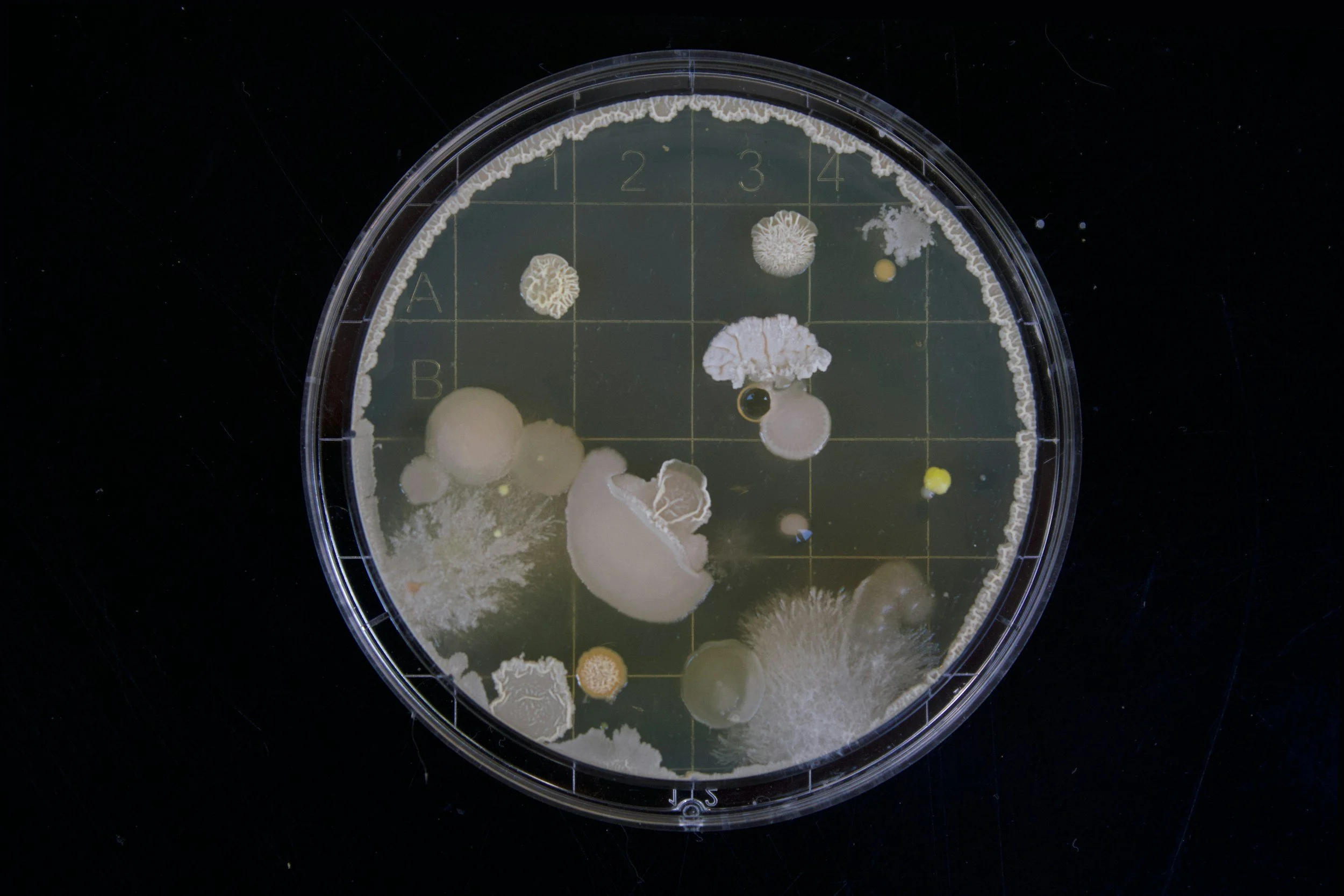
A urine culture involves placing a small sample of urine onto laboratory culture plates. These plates are incubated for 24–48 hours to see whether bacteria grow. If bacteria grow above the diagnostic threshold, the test is considered positive for infection. For decades, urine culture has been considered the “gold standard” test for diagnosing UTIs. However, newer research suggests that this method may miss certain bacteria.
Why Urine Cultures Sometimes Miss Infections
There are several reasons why standard urine cultures may return negative results even when symptoms are present.
Not all bacteria grow in standard laboratory conditions
Urine culture only detects bacteria that grow well on standard culture plates within a short incubation period. Some microbes require specific nutrients, oxygen levels, or longer growth times. These organisms may not appear in routine culture testing. Some UTI’s are driven by fungal overgrowths and these will not be tested for.
2. The bladder is not sterile
For many years, scientists believed that the bladder was sterile unless infection was present. However, modern research has shown that the urinary tract contains its own microbiome a community of microorganisms that exist even in healthy individuals.
3. The diagnostic threshold may be too high
The 100,000 CFU/mL threshold used in urine culture was originally designed to detect severe kidney infections. Research now suggests that symptomatic patients can have much lower bacterial counts, meaning infections may be missed if this threshold is strictly applied.

PCR and Next-Generation Urine Testing
Newer diagnostic technologies are now changing how urinary bacteria are detected.
Polymerase Chain Reaction (PCR) testing identifies bacterial DNA rather than relying on bacteria to grow in culture.
Because of this, PCR testing can detect organisms that:
grow slowly
are difficult to culture
are present in lower numbers
Even more advanced testing uses next-generation sequencing (NGS) to analyze genetic material within a urine sample.This technology can identify a broad range of bacteria simultaneously, providing a more detailed picture of the urinary microbiome.
Studies comparing these techniques to traditional urine culture have shown that molecular methods can detect significantly more bacterial species in symptomatic patients. Not only this but they also assess your good microbes. In this way you can see what you need more of to prevent reinfection.
Laboratories such as MicroGenDX use a combination of quantitative PCR and next-generation DNA sequencing to analyze urine samples for bacterial and fungal organisms. These tests aim to provide a more comprehensive understanding of microbes present in the urinary tract. While these technologies are still emerging and not routinely used in standard GP testing, they are increasingly being explored in research and specialist settings.
When UTI Symptoms Persist but Tests Are Negative
Many people search for answers when they experience UTI symptoms but their urine test is negative.
This situation can occur for several reasons, including:
bacteria not detected by standard culture
Fungal overgrowth driving the UTI not bacteria. Yes Candida can cause UTIs.
low bacterial counts below diagnostic thresholds
changes in the urinary microbiome
inflammation within the bladder
hormonal influences
nervous system sensitivity within the pelvic region
From a holistic perspective, urinary health is influenced by many factors including the microbiome, immune function, hormonal balance, and nervous system regulation.
A Broader Approach to Urinary Health
Urine culture testing remains a valuable screening tool. However, like many medical tests developed decades ago, it has limitations. Newer molecular testing methods are expanding our understanding of urinary microbes and revealing that the bladder ecosystem is more complex than once believed. If you have been having frequent UTIs and testing is only revealing the same micro organism again and again it might be time to take a deeper look. Taking a more sensitive test allows us to explore all the microbes that may be contributing to your infection.
If you’re looking for personalized support that integrates natural medicine working with a practitioner who respects both approaches can make all the difference. Book a free call to see what approach may be best for you.

References
Armstrong JA. Urinalysis in Western culture: a brief history. Kidney Int. 2007 Mar;71(5):384-7. doi: 10.1038/sj.ki.5002057. Epub 2006 Dec 27. PMID: 17191081.
Hilt EE, McKinley K, Pearce MM, Rosenfeld AB, Zilliox MJ, Mueller ER, Brubaker L, Gai X, Wolfe AJ, Schreckenberger PC2014.Urine Is Not Sterile: Use of Enhanced Urine Culture Techniques To Detect Resident Bacterial Flora in the Adult Female Bladder. J Clin Microbiol52:.https://doi.org/10.1128/jcm.02876-13.
Price TK, Dune T, Hilt EE, Thomas-White KJ, Kliethermes S, Brincat C, Brubaker L, Wolfe AJ, Mueller ER, Schreckenberger PC. The Clinical Urine Culture: Enhanced Techniques Improve Detection of Clinically Relevant Microorganisms. J Clin Microbiol. 2016 May;54(5):1216-22. doi: 10.1128/JCM.00044-16. Epub 2016 Mar 9. PMID: 26962083; PMCID: PMC4844725.
Reasoner SA, Francis J, Hadjifrangiskou M.2025.The urinary microbiome: the next frontier of bacterial ecology. J Bacteriol207:e00105-25.https://doi.org/10.1128/jb.00105-25.